You Won’t Believe What This Tiny NZ Town Hides
Invercargill doesn’t shout for attention—but that’s exactly why it’s worth hearing. Nestled at the southern edge of New Zealand, this quiet city surprised me with its depth of culture, hidden in plain sight. I went looking for a pit stop on my South Island road trip and found intimate galleries, Māori storytelling spaces, and community-driven theatres pulsing with local soul. It’s not flashy, but it’s real. And honestly? Some of the most authentic cultural moments I’ve experienced in Aotearoa happened here, far from the tourist crowds. In a country celebrated for its dramatic fiords and volcanic peaks, Invercargill offers something quieter but no less powerful: a reminder that culture thrives not only in grand institutions but in the everyday spaces where people gather, create, and remember.
Arrival in the Underrated South: First Impressions of Invercargill
Stepping off the highway into Invercargill feels like crossing a threshold not just of geography, but of pace. The city sits at the southernmost tip of New Zealand’s South Island, a place often bypassed by travelers rushing toward Queenstown or Fiordland. Its latitude—just shy of 47 degrees south—means it bears the brunt of Southern Ocean winds, and the air carries a crisp, clean bite even in summer. The skyline is low and unassuming, marked more by church spires and the occasional Art Deco façade than by high-rises. At first glance, the streets appear quiet, almost sleepy, with wide avenues and well-kept gardens that speak to a community that values order and care.
Yet beneath this calm exterior lies a surprising vibrancy. What many mistake for dullness is, in fact, a kind of resilience shaped by isolation. Invercargill’s remoteness has not diminished its cultural life—it has deepened it. Without the constant influx of international tourists, the city has cultivated a culture that is inward-looking in the best sense: focused on community, heritage, and local expression. Residents take pride in their town not because it’s famous, but because it’s theirs. This quiet confidence is palpable in the way people greet strangers, in the care taken in public spaces, and in the way art and storytelling are woven into daily life.
The architecture tells its own story. Many buildings date back to the late 19th and early 20th centuries, reflecting a time when Invercargill was a thriving port and agricultural hub. Walking through the central business district, one notices the ornate ironwork of old shop fronts, the solid brickwork of former banks, and the occasional surviving example of Victorian elegance. These structures are not museum pieces; they are lived-in, adapted, and respected. The city’s planning reflects a balance between preservation and progress, where new developments are integrated thoughtfully rather than imposed. This respect for history sets the tone for a cultural experience that feels grounded and genuine.
Warner Williams Theatre: Where Local Talent Takes Center Stage
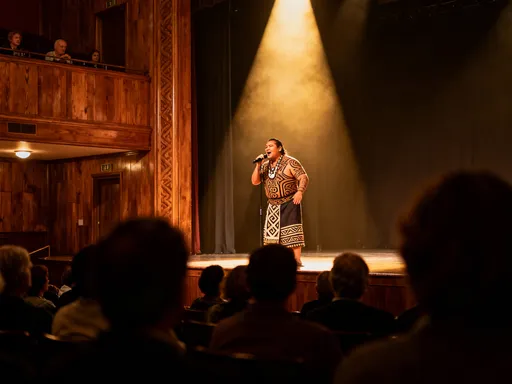
One of the most striking examples of Invercargill’s cultural heartbeat is the Warner Williams Theatre, a modest yet vibrant venue that has become a cornerstone of the city’s performing arts scene. Tucked away on Don Street, the theatre may not impress from the outside, but inside, it radiates warmth and intimacy. With a seating capacity of just over 300, it creates an atmosphere where performers and audiences are never far apart—literally or emotionally. This closeness fosters a unique kind of engagement, where laughter, silence, and applause feel shared rather than observed.
The theatre hosts a diverse program throughout the year, from local drama productions and musical revues to school performances and visiting acts from across the South Island. What stands out is the depth of community involvement. Many of the actors, musicians, and backstage crew are residents who balance their artistic passions with day jobs as teachers, nurses, or tradespeople. Their performances are not polished in the way one might expect from a major city, but they are heartfelt, authentic, and deeply connected to the place they call home. During a recent performance of a locally written play about early Southland settlers, the audience—largely made up of older residents—nodded in recognition at dialect and details that only locals would fully appreciate.
What makes the Warner Williams Theatre more than just a venue is its role as a cultural incubator. It offers workshops for young people, supports emerging playwrights, and collaborates with schools to bring theatre into education. This commitment to nurturing talent ensures that the arts remain accessible and relevant. For visitors, attending a performance here is not just entertainment; it’s a window into the values and stories of Southland. The theatre doesn’t aim to replicate Broadway or the West End—it celebrates what is local, personal, and enduring. In doing so, it reminds us that culture is not something imported, but something grown from within.
Southland Museum & Art Gallery (Reimagined): Culture in Transition
The story of Invercargill’s cultural evolution is perhaps best symbolized by the ongoing transformation of the Southland Museum & Art Gallery. Once a beloved institution housed in a distinctive brutalist building, the museum closed in 2018 due to structural concerns. While the physical space is no longer open, the spirit of the museum lives on through a series of temporary exhibitions, pop-up events, and community collaborations hosted in alternative locations across the city. This period of transition has become an opportunity for reinvention—one that reflects a broader shift toward inclusivity, modernity, and Māori-led narratives.
The new vision for the museum emphasizes co-curation with local iwi, particularly Ngāi Tahu, whose ancestral ties to the region stretch back centuries. This partnership ensures that Māori perspectives are not just included, but centered. Past temporary exhibitions have featured traditional weaving, historical accounts of early Māori settlement in Southland, and contemporary Māori art that bridges past and present. These displays do more than educate—they invite dialogue, reflection, and a deeper understanding of Aotearoa’s shared heritage. One exhibit, held in a repurposed retail space, used soundscapes, oral histories, and interactive maps to tell the story of Awarua, the wetlands near Invercargill that have long sustained both people and wildlife.
The reimagining of the museum also reflects a growing awareness of sustainability and community ownership. Rather than rushing to rebuild, city leaders and cultural planners have taken time to consult widely, ensuring that the new facility will meet the needs of future generations. The delay, while frustrating for some, has allowed for a more thoughtful approach—one that values process as much as product. In the meantime, the absence of a permanent home has led to creative solutions: art displayed in libraries, history talks in community centers, and school programs that bring artifacts directly into classrooms. This decentralization has, in some ways, made culture more accessible, bringing it out of formal institutions and into the heart of daily life.
Ritchie Rock and the Art of Public Expression
Wandering through Invercargill, one begins to notice the quiet presence of public art—pieces that don’t demand attention but reward curiosity. Among the most well-known is Ritchie Rock, a large boulder painted with vibrant, swirling patterns that change with the seasons and community events. Originally a simple stone in a roundabout, it has become a canvas for local expression, maintained by volunteers who repaint it regularly. It’s not a work of fine art in the traditional sense, but it carries meaning: a symbol of resilience, creativity, and the idea that even the most ordinary objects can become vessels of identity.
Ritchie Rock is part of a broader tradition of public art in the city, where murals, sculptures, and installations are integrated into parks, streets, and building walls. A bronze statue of a working dog in Kelvin Heights honors Southland’s farming heritage, while a series of carved wooden poles near the river tells stories of Māori navigation and connection to the land. These works are not isolated attractions; they are part of the urban fabric, encountered casually during a morning walk or a coffee run. They invite passersby to pause, reflect, and feel a sense of belonging.
What makes Invercargill’s public art particularly meaningful is its participatory nature. Many pieces are created through community workshops, where residents of all ages contribute ideas and labor. A recent mural in the central library district was painted by local schoolchildren, depicting native birds and plants in bold, joyful colors. The process was as important as the result—children learned about ecology and design, while the neighborhood gained a colorful landmark that reflects its values. These projects reinforce the idea that culture is not something passively consumed, but actively shaped. For visitors, discovering these artworks feels like uncovering small secrets, each one offering a glimpse into the soul of the community.
Te Ana Iwi: Māori Cultural Spaces and Shared Heritage
Invercargill’s cultural richness is inseparable from the presence and contributions of Māori, particularly the iwi of Ngāi Tahu, who have lived in the Southland region for generations. While there is no single, large-scale cultural center currently open to the public, Māori culture is expressed through a variety of events, educational initiatives, and informal gatherings that welcome respectful visitors. These moments of connection—whether a dawn ceremony, a storytelling evening, or a weaving workshop—offer profound insights into Te Ao Māori, the Māori worldview, and its enduring influence on Southland’s identity.
One memorable experience was attending a cultural evening hosted at a local marae, a sacred communal meeting ground. The event began with a pōwhiri, a traditional welcome that included song, chant, and the hongi—the pressing of noses and foreheads as a gesture of unity. Inside, elders shared stories of their ancestors’ journeys, the significance of local landmarks, and the importance of kaitiakitanga, or guardianship of the land. The atmosphere was one of deep respect and warmth, with visitors encouraged to listen, learn, and participate in ways that felt appropriate. No one was rushed or put on the spot; instead, there was a sense of patient invitation, a willingness to share but not to perform.
These experiences are not staged for tourists; they arise from genuine community life. Schools in the region incorporate te reo Māori (the Māori language) into their curricula, and public events often begin with karakia (prayers or blessings) in both English and Māori. This integration reflects a growing recognition of biculturalism as a living reality, not just a historical footnote. For visitors, engaging with Māori culture in Invercargill is less about ticking off attractions and more about slowing down, being present, and honoring the depth of a heritage that continues to shape the region. It’s a reminder that true cultural understanding requires humility, openness, and time.
Local Cafés and Creative Hubs: Culture Beyond the Venue
Some of the most meaningful cultural experiences in Invercargill happen not in formal institutions, but in the city’s independent cafés, bookshops, and craft studios. These informal spaces serve as quiet incubators for creativity, where artists display their work, writers host readings, and musicians play impromptu sets. One downtown café, known for its rich coffee and homemade scones, features rotating art exhibitions on its walls—each month showcasing a different local painter or photographer. The owner, a longtime resident, sees the space as a kind of community gallery, where art is not behind glass but part of daily conversation.
Another hub is a small bookstore tucked away on Kelvin Street, where shelves are filled not only with novels and poetry but also with books on Southland history, Māori legends, and regional photography. The店主—though the name is not necessary—regularly hosts author talks and writing groups, creating a space where ideas are exchanged and local voices are amplified. On weekends, you might find a potter selling hand-thrown ceramics at a corner table, or a musician testing new songs during an open mic night. These moments are unscripted and unhurried, unfolding naturally in the rhythm of café life.
What unites these spaces is their emphasis on connection. They are not designed for mass consumption or social media appeal, but for genuine interaction. They reflect a culture that values craftsmanship, storytelling, and face-to-face dialogue in an age of digital noise. For visitors, spending time in these spots offers a different kind of tourism—one that is immersive, personal, and grounded. It’s here, over a cup of tea or a borrowed book, that one begins to feel not like an observer, but a participant in the life of the city.
Why Invercargill’s Quiet Pulse Deserves Your Attention
In a world that often equates value with visibility, Invercargill stands as a quiet counterpoint. It does not dazzle with neon lights or viral landmarks. It does not need to. Its strength lies in its authenticity, in the way culture is lived rather than performed. Here, art is not confined to galleries, storytelling is not reserved for stages, and heritage is not frozen in time—it is all part of the everyday. The city reminds us that the most meaningful travel experiences often come not from checking off famous sites, but from stumbling upon the unexpected, from listening to voices that aren’t shouting to be heard.
Invercargill’s cultural landscape is a testament to the power of community. It shows how small cities, often overlooked in national and international narratives, play a vital role in preserving and evolving a nation’s identity. They are the keepers of local memory, the nurturers of talent, and the guardians of traditions that might otherwise fade. By visiting places like this—not as tourists passing through, but as respectful guests willing to engage—we contribute to a more balanced, more human kind of tourism. We learn that culture is not a product, but a process—one that thrives on participation, patience, and presence.
So the next time you plan a journey through New Zealand’s South Island, consider lingering in the places that don’t make the brochures. Let yourself be surprised by a theatre performance that moves you, a painted rock that makes you smile, or a conversation in a café that changes your perspective. Invercargill may be quiet, but its pulse is strong. And for those willing to listen, it has stories worth hearing. In the end, the most unforgettable journeys are not always the loudest—they are the ones that stay with you, quietly, long after you’ve left.