You Won’t Believe What I Found in Arles — Art-Lover’s Shopping Paradise
Arles isn’t just about Van Gogh’s footsteps — it’s a living canvas where art spills into everyday life. Wandering its sun-drenched streets, I discovered something unexpected: a shopping scene deeply woven with creativity. From hand-painted ceramics to boutique galleries, every store tells a story. This is more than retail — it’s an immersive experience where local craftsmanship meets Provençal soul. If you think art stops at museums, think again.
The Artistic Pulse of Arles
Arles, nestled in the sun-kissed heart of southern France, pulses with an energy that transcends time. Its cobblestone lanes echo with centuries of artistic expression, from the grandeur of Roman antiquity to the vibrant brushstrokes of Vincent van Gogh. The city’s ancient amphitheater still hosts events today, while nearby Roman and Romanesque monuments stand as silent witnesses to a layered past. Yet it is Van Gogh’s presence that most vividly colors the modern imagination. During his 15-month stay in the late 1880s, he painted over 300 works here, capturing the golden light, swirling skies, and rustic charm that continue to inspire artists today.
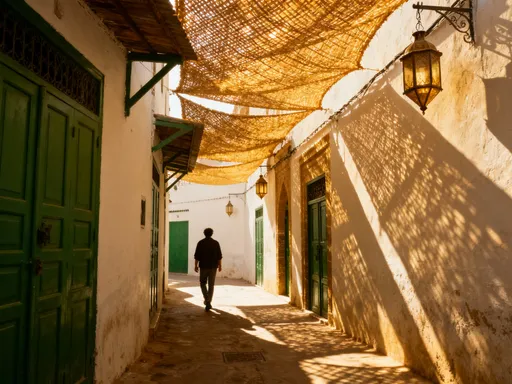
This deep-rooted artistic legacy isn’t confined to history books or museum walls — it breathes through the city’s very atmosphere. Sunlight bounces off ochre-hued buildings, casting warm glows on shuttered windows and weathered stone. Street corners reveal murals that blend seamlessly with centuries-old facades, creating a dialogue between old and new. Even the rhythm of daily life feels curated: the way a baker arranges bread on a wooden counter, the colors of fresh produce at the market, the pattern of tiles beneath café tables — all carry an innate sense of aesthetic harmony.
It is this creative undercurrent that transforms Arles’ shopping culture into something extraordinary. Stores are not mere commercial spaces but extensions of artistic expression. Shopfronts double as galleries; window displays become installations. The city’s artisans draw from its rich visual language — the play of light, the textures of the Camargue landscape, the rhythms of Provençal life — to craft goods that feel both timeless and personal. In Arles, shopping becomes a form of cultural participation, where each purchase connects you to a living tradition.
Galleries That Double as Shops
One of the most enchanting aspects of shopping in Arles is the seamless blend of exhibition and commerce found in its small, independent galleries. Unlike the impersonal atmosphere of large art dealerships, these intimate spaces invite visitors to engage directly with the creative process. Many are run by local artists themselves, who welcome guests into studios where paint still lingers in the air and canvases lean against sunlit walls. Here, original artwork isn’t hidden behind glass or price-tagged with intimidation — it’s shared, discussed, and often born in real time.
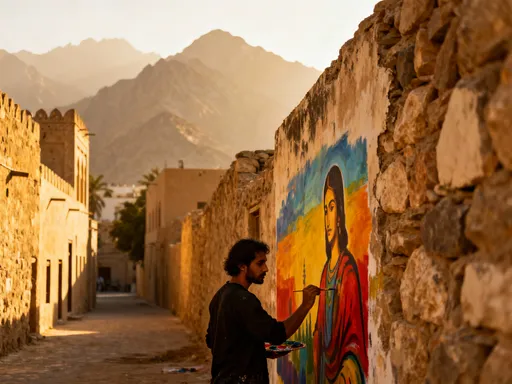
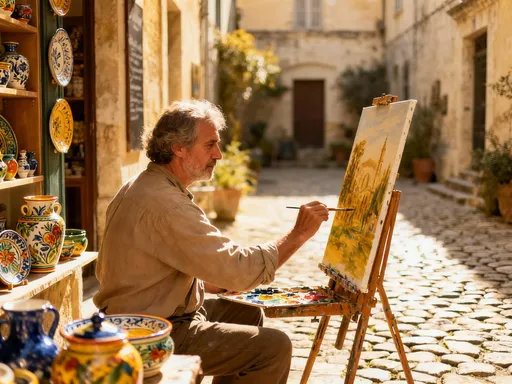
Walking into one such gallery near Place du Forum, I watched as a painter added delicate strokes to a landscape inspired by the Alpilles mountains. The colors — soft lavender, dusty rose, and sunlit gold — mirrored the view outside her window. She paused to explain her technique, using natural pigments to capture the unique Provençal light that Van Gogh once tried to immortalize. There was no pressure to buy, only an invitation to understand. Yet, the desire to own a piece of that moment grew naturally, not from marketing, but from connection.
These gallery-shops differ fundamentally from commercial art markets. Prices are often more accessible, reflecting the artist’s modest livelihood rather than speculative value. Works range from small watercolors and sketches to larger oil paintings, many available for a few hundred euros — a fraction of what similar pieces might cost in Paris or New York. More importantly, each piece carries a story: the season it was painted, the location that inspired it, the artist’s personal journey. Buying here means supporting a living tradition, not acquiring a commodity.
Regional styles dominate, with recurring themes of sun-drenched fields, rustic farmhouses, blooming oleander, and the ever-present Rhône River. Some artists experiment with abstraction, interpreting the Provençal palette through bold shapes and layered textures. Others remain faithful to realism, capturing fleeting moments — a farmer leading a donkey at dawn, a child chasing pigeons in the plaza. What unites them is a deep reverence for place, light, and the quiet beauty of everyday life.
Handmade Ceramics: Painted by Tradition
Among the most cherished artistic traditions in Arles is its centuries-old craft of handmade ceramics. Rooted in the rich clay of the Rhône Valley and influenced by Mediterranean aesthetics, this art form thrives in small workshops tucked along narrow streets and quiet courtyards. Here, potters use techniques passed down through generations — hand-throwing on wheels, slow-drying in shaded rooms, and firing in wood-burning kilns — to create functional art that is both durable and beautiful.
The visual language of Arles’ ceramics is unmistakable. Plates, bowls, pitchers, and tiles burst with color: cobalt blue swirls, sunflower yellows, sage greens, and terracotta reds. Floral motifs dominate — climbing roses, lavender sprigs, olive branches — often framed by geometric borders or sunburst patterns. These designs are not arbitrary; they reflect the surrounding countryside, where wildflowers bloom against limestone hills and vineyards stretch toward the horizon. Even the glazing techniques, such as the signature “crackle” finish, echo the textures of sun-baked earth and ancient stone.
Visiting a ceramics atelier offers more than just shopping — it’s a window into a meditative craft. I spent an afternoon with a third-generation potter whose family has worked in Arles since the 19th century. She demonstrated how each piece begins as a lump of clay, shaped slowly under steady hands. “It’s not about speed,” she said, “but about listening to the material.” After shaping, pieces are left to dry for days before being hand-painted with fine brushes. The final firing can take up to 24 hours, transforming soft clay into enduring stoneware.
For travelers, these ceramics make meaningful souvenirs — not mass-produced trinkets, but objects imbued with history and intention. To identify authentic pieces, look for slight irregularities in shape or brushwork; these are signs of handcrafting, not flaws. Many studios stamp their work with a maker’s mark, and some even offer custom inscriptions. The best places to find genuine ceramics include family-run boutiques near Rue du Dr Fanton, cooperative workshops in the old town, and seasonal craft fairs held in summer. Investing in a hand-painted plate or a decorative tile isn’t just a purchase — it’s a way to bring a fragment of Arles’ soul into your home.
Boutique Fashion with a Provençal Twist
While Arles may not be known for haute couture, its fashion scene offers something far more authentic: a celebration of slow fashion rooted in local craftsmanship and Mediterranean elegance. Scattered throughout the city’s pedestrian zones are independent boutiques that showcase clothing and accessories made by regional designers and artisans. These are not franchises or fast-fashion outlets, but small shops where every item tells a story of place, material, and care.
Linen is king here. Light, breathable, and perfectly suited to the Provençal climate, it forms the foundation of many collections. Dresses, blouses, and trousers come in soft whites, warm beiges, and natural dyes extracted from local plants — madder root for coral, woad for indigo, pomegranate rind for golden hues. Many pieces are hand-dyed using ancient techniques, resulting in subtle variations that make each garment unique. Embroidery is another hallmark, with delicate stitches depicting olive branches, sun motifs, or Provençal flowers like carnations and poppies.
Accessories complete the look. Scarves made from silk or cotton are often printed with original artwork — some inspired by Van Gogh’s palette, others by traditional Provençal patterns. Espadrilles, the iconic rope-soled shoes, are still stitched by hand in nearby villages. Local cobblers use natural jute for the soles and cotton or leather for the uppers, crafting styles that range from classic simplicity to modern embellishments. These shoes are not only stylish but remarkably comfortable, ideal for long days of walking through cobbled streets.
What sets Arles’ fashion boutiques apart is their commitment to sustainability and ethical production. Many designers work in limited runs, using locally sourced materials and minimizing waste. Some collaborate directly with artisans, ensuring fair wages and preserving traditional skills. Shopping here supports a model of fashion that values longevity over trends, quality over quantity. For the discerning traveler, especially those who appreciate timeless style and conscious consumption, these boutiques offer a refreshing alternative to commercial retail.
Markets Where Art Meets Daily Life
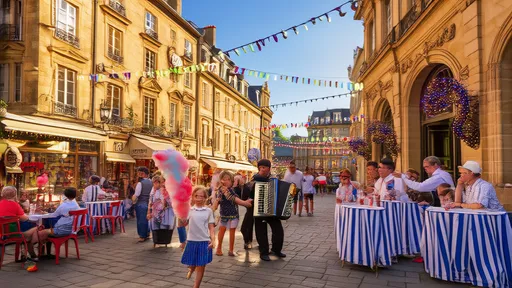
No visit to Arles would be complete without experiencing its weekly markets — vibrant gatherings where art, agriculture, and daily life converge. Held every Tuesday, Thursday, and Saturday morning in Place Gaudin and surrounding squares, these markets draw farmers, cheesemakers, bakers, and artisans from across the region. The air fills with the scent of rosemary, ripe peaches, and freshly baked fougasse, while stalls overflow with seasonal produce, regional wines, and handcrafted goods.
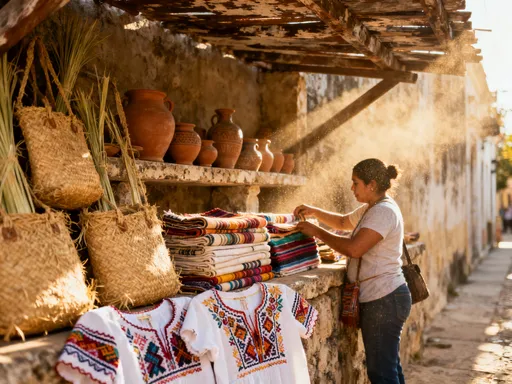
But beyond food, the Arles markets are treasure troves of artistic expression. Local craftspeople sell items that blur the line between utility and beauty: olive wood spoons carved with floral patterns, hand-thrown pottery glazed in earthy tones, woven baskets made from reeds harvested in the Camargue. You’ll find illustrated notebooks bound in linen, natural soaps infused with lavender and thyme, and jewelry crafted from recycled metals and semi-precious stones. These are not tourist souvenirs mass-produced overseas — they are objects made with intention, often by the very hands that sell them.
The sensory experience is unforgettable. The clink of glass bottles lined up on wooden crates, the rustle of silk ribbons caught in a breeze, the hum of conversation in French and Occitan — all contribute to a rhythm that feels both timeless and alive. Vendors greet regular customers by name, offering tastes of goat cheese or samples of honeycomb. For visitors, the key is to approach with respect and curiosity. A simple “Bonjour” goes a long way, and asking questions — even in broken French — is often met with warm smiles and patient explanations.
To make the most of the market, arrive early — by 9 a.m., the best items begin to sell out. Bring a reusable bag and some cash, as many small vendors do not accept cards. Take your time. Let yourself be drawn to pieces that speak to you, whether it’s a hand-painted tile, a skein of locally spun wool, or a jar of wildflower honey. These markets are not just places to shop — they are living expressions of Provençal culture, where art is not displayed behind glass but woven into the fabric of everyday life.
Hidden Workshops Off the Tourist Trail
Beyond the main squares and well-trodden streets lie Arles’ true artistic gems: the hidden workshops where creators work in quiet dedication. These ateliers are often unmarked, tucked behind heavy wooden doors or up narrow staircases in quiet neighborhoods. They are not designed for foot traffic but for craft — places where weavers, printmakers, jewelers, and ceramicists transform raw materials into objects of beauty and meaning.
Finding them requires a bit of local knowledge. Some are shared through word of mouth, others listed at the Maison des Illustres or the tourist office’s artisan map. Guided “artist walks,” offered during cultural festivals, provide rare access to these private spaces. I joined one such tour and was led to a third-floor studio where a textile artist wove intricate patterns on a traditional loom. Her fabrics, dyed with natural pigments, featured motifs inspired by Roman mosaics and Provençal wildflowers. Each piece took weeks to complete, yet she worked with quiet joy, her hands moving with practiced ease.
Another discovery was a printmaker specializing in linocuts, creating black-and-white illustrations of Arles’ landmarks with a poetic touch. His studio was filled with proofs, ink-stained rollers, and shelves of hand-bound books. He welcomed visitors by appointment, offering small editions for sale and even hosting occasional workshops. These encounters are not transactional — they are exchanges of stories, of passion, of shared appreciation for the handmade.
Supporting these independent creators has a ripple effect. It sustains traditional crafts that might otherwise fade, empowers artists to continue their work, and preserves the city’s cultural identity. When you buy from a hidden atelier, you’re not just acquiring an object — you’re becoming part of a legacy. These workshops remind us that true artistry often thrives in quiet corners, away from the spotlight, sustained by dedication and love.
How to Shop Like a Local Artist
To fully embrace Arles’ artistic shopping culture, it helps to adopt the mindset of a local — curious, respectful, and intentional. Begin by carrying cash, especially smaller bills, as many small vendors and artisans do not accept credit cards. While larger boutiques may have digital payment options, the markets and hidden workshops often operate on a cash-only basis. Having euros on hand ensures you won’t miss a special find.
When visiting studios or photographing crafts, always ask permission. Many artists are happy to share their work, but some prefer privacy during the creative process. A simple “May I take a photo?” shows respect and often opens the door to conversation. If you’re unsure about pricing, don’t hesitate to ask — most artisans are used to explaining their process and the value behind their work. Prices reflect time, materials, and skill, not just aesthetics.
Timing your visit can enhance the experience. The summer months bring Les Rencontres d’Arles, an internationally renowned photography festival that transforms the city into a sprawling open-air gallery. During this time, many artists host open studios, pop-up exhibitions, and special sales. Spring and early autumn also offer ideal conditions — mild weather, fewer crowds, and seasonal markets in full swing. Weekday mornings are best for market visits, when the stalls are fullest and the atmosphere most authentic.
Finally, shop with mindfulness. Instead of collecting souvenirs impulsively, choose pieces that resonate with you — something that captures the light, the color, the spirit of Arles. Whether it’s a hand-painted plate, a linen scarf, or a small painting, let your purchase be a meaningful connection to the place and its people. When you carry these objects home, you’re not just bringing back a memory — you’re honoring a tradition of creativity that continues to thrive.
Shopping in Arles transcends transactions — it’s a dialogue with creativity, history, and place. Each purchase becomes a fragment of the city’s soul, a tangible memory of light, color, and craft. When you buy here, you don’t just take something home — you carry forward a legacy.