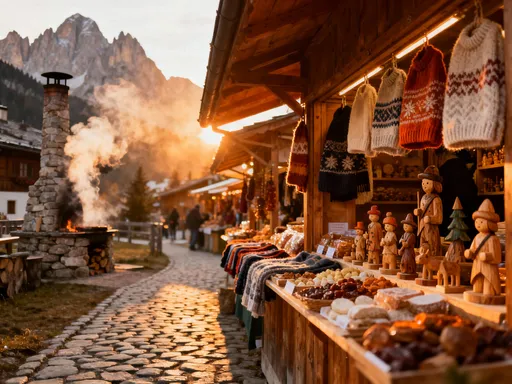
You Won’t Believe What I Found Shopping in the Dolomites
Think the Dolomites are just for hiking and skiing? Think again. Tucked between those jaw-dropping peaks are charming villages where local craftsmanship thrives. I stumbled upon alpine boutiques selling handmade woolens, carved wooden treasures, and gourmet treats you won’t find anywhere else. This isn’t mall shopping—it’s a cultural journey. Let me take you through the authentic, unexpected, and totally delightful side of Dolomite shopping.
Beyond Nature: The Hidden Shopping Culture of the Dolomites
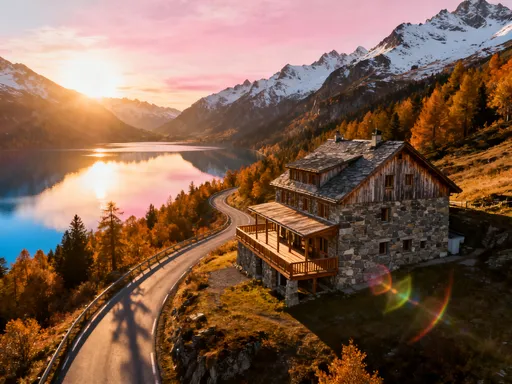
The Dolomites, a UNESCO World Heritage site, are widely celebrated for their dramatic limestone spires, emerald valleys, and world-class outdoor recreation. Skiers carve fresh powder in winter, while hikers follow winding trails through alpine meadows in summer. Yet beyond these natural wonders lies a quieter, equally captivating tradition—local craftsmanship that has flourished in mountain villages for generations. These communities have preserved age-old skills not only as a livelihood but as a point of cultural pride, blending Austrian Tyrolean and Italian influences into a unique alpine identity.
Villages such as Ortisei, Corvara, and Brunico are not merely scenic stops—they are cultural hubs where artisans continue to handcraft goods using methods passed down through families. Unlike mass-produced souvenirs found in crowded tourist centers, the items here reflect deep-rooted traditions and sustainable practices. Shopping in these towns supports small, family-run businesses and contributes directly to the local economy, making each purchase a meaningful act of cultural preservation.
What sets Dolomite shopping apart is its authenticity. There are no chain stores or generic gift shops dominating the streets. Instead, visitors encounter cozy boutiques nestled in centuries-old stone buildings, where shopkeepers often speak three languages and proudly share the story behind each product. Whether it’s a hand-carved nativity figure, a woolen scarf woven from local sheep’s wool, or a jar of wildflower honey harvested from high-altitude hives, every item carries a sense of place and purpose.
This region’s cultural duality—Italian flair meets Austrian precision—shapes the character of its crafts. In South Tyrol, where German is widely spoken alongside Italian, traditions from both worlds converge. You’ll see Tyrolean-style wooden balconies overflowing with geraniums, hear church bells ringing in the valley, and find products labeled in both languages. This harmonious blend enriches the shopping experience, offering a window into a peaceful coexistence of cultures shaped by geography and history.
Handmade Woolens and Traditional Alpine Wear
One of the most cherished traditions in the Dolomites is the production of high-quality woolen garments, particularly those made from Loden fabric. Loden, a dense, water-resistant woolen cloth, has been used in the Alps for centuries to protect against cold, wet mountain weather. Originally developed in Austria, the fabric found a natural home in South Tyrol, where it is still crafted using traditional techniques. Today, local cooperatives—many led by women—keep this heritage alive, producing everything from warm coats and vests to cozy hats and mittens.
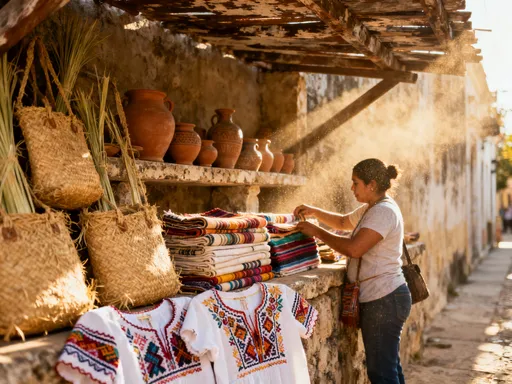
Walking through a boutique in Val Gardena, you might find a hand-knit sweater made from pure sheep’s wool, dyed with natural pigments and patterned with geometric motifs inspired by Alpine flora. These garments are not just stylish; they are built for function. The thick weave retains heat, resists wind, and even sheds light rain—making them ideal for life in the mountains. Unlike fast fashion, these pieces are made to last, often becoming family heirlooms passed from one generation to the next.
Many of the woolens available today are produced by women’s cooperatives that prioritize fair labor practices and environmental sustainability. These groups often work with local farms to source wool, ensuring that the sheep are raised humanely and the land is managed responsibly. By purchasing these items, travelers support ethical production and help sustain rural livelihoods that might otherwise disappear in the face of industrialization.
Seasonal markets, especially during the Christmas period, are the best places to experience this textile tradition. In December, towns like Brixen and Merano host festive markets where stalls overflow with hand-knit scarves, fingerless gloves, and baby booties. The scent of mulled wine fills the air as visitors browse tables lined with colorful woolens. These markets are not just shopping destinations—they are community events that celebrate craftsmanship, warmth, and togetherness in the heart of winter.
Woodcraft That Tells a Story: From Carvings to Furniture
Val Gardena is world-renowned for its woodcarving tradition, a craft that dates back to the 17th century. What began as a way for mountain farmers to earn extra income during long winters has evolved into a celebrated art form. Today, the valley is home to hundreds of skilled artisans, many of whom still work in small, family-run workshops tucked into the hillsides. Their tools—chisels, gouges, and mallets—are passed down like heirlooms, and their hands move with the precision of generations of practice.
Visitors to the region can tour these workshops and watch carvers transform blocks of linden or pine wood into intricate figures. Common themes include religious nativity scenes, local folklore characters, and animals of the Alpine forest—ibex, marmots, and eagles. Each piece is hand-sanded, painted with natural pigments, and finished with care. The attention to detail is astonishing: a carved bear might have individually shaped claws, while a wooden angel’s robe flows with lifelike folds.
What makes these carvings more than just souvenirs is their storytelling power. A nativity set from Val Gardena doesn’t just depict the birth of Christ—it reflects the mountain community’s deep Catholic roots and seasonal rhythms. Similarly, a hunter figurine dressed in traditional Lederhosen captures a way of life that persists in remote valleys. These objects are cultural documents, silently narrating the values, beliefs, and daily realities of Alpine people.
For buyers, distinguishing authentic hand-carved pieces from factory-made imitations is important. True handmade items often have slight imperfections—a curve that isn’t perfectly symmetrical, a brushstroke that varies in thickness. Labels may indicate the artisan’s name, the year of creation, and the type of wood used. Reputable shops provide certificates of authenticity, and many artists sign their work on the base. While prices for larger pieces can range from 100 to over 1,000 euros, even small ornaments—like a 20-euro wooden rooster—carry the same level of care and tradition.
Gourmet Delights: Local Flavors You Can Take Home
Shopping in the Dolomites is not limited to textiles and carvings—some of the most memorable souvenirs are edible. The region’s culinary heritage is deeply tied to its landscape: high-altitude pastures, dense forests, and clean mountain springs create ideal conditions for exceptional food and drink. From smoked meats to herbal liqueurs, the flavors here are robust, natural, and deeply satisfying.
One standout product is speck, a lightly smoked, air-dried ham that balances saltiness and sweetness. Produced under strict quality standards in South Tyrol, genuine speck carries a Protected Geographical Indication (PGI) label, ensuring it’s made locally using traditional methods. Sliced thin and served with rye bread or mountain cheese, it’s a staple in alpine households. Vacuum-sealed packages make it easy to transport, and many delis offer tasting samples so visitors can choose their preferred cut and smokiness level.
Another must-try is mountain honey, harvested from bees that forage on wild thyme, gentian, and pine blossoms. This honey has a complex flavor—sometimes floral, sometimes resinous—and is prized for its purity. Small farms often sell it in glass jars labeled with the harvest date and floral source. Some even offer honey-based skincare products, like soothing balms made with beeswax and herbal extracts.
For those who enjoy spirits, the Dolomites offer a range of herbal liqueurs and fruit schnapps. Grappa, made from grape pomace, is common throughout northern Italy, but local variations include elderflower liqueur, pine needle schnapps, and zirben (aromatic wood from the Swiss pine tree). These are often homemade by families and sold in small bottles at farm shops or markets. They make excellent gifts, especially when paired with a handwritten note explaining the flavor profile.
Don’t overlook handmade pasta either. In mountain kitchens, women still roll out noodles by hand, shaping them into thick spätzle or delicate dumplings. Dried versions are available in specialty stores, often packaged in rustic paper with twine. Paired with a jar of wild mushroom sauce or alpine pesto, they offer a delicious way to recreate the Dolomite dining experience at home.
Where to Shop: Charming Villages and Seasonal Markets
Each village in the Dolomites offers a distinct shopping atmosphere, shaped by its history, size, and cultural influences. Ortisei, in the heart of Val Gardena, is known for its elegant boutiques and art galleries. Strolling down its pedestrian-friendly main street, visitors will find refined woodcarving studios, high-end woolen shops, and jewelers crafting pieces inspired by Alpine motifs. The town also hosts an annual woodcarving festival in summer, drawing artisans from across the region.
Brunico, one of the oldest towns in the area, boasts a well-preserved medieval center where cobblestone streets lead to historic market squares. Every Thursday and Sunday from June to October, the town hosts an open-air farmers’ market featuring local produce, cheeses, and crafts. It’s an ideal place to interact with farmers and artisans directly, ask questions about their methods, and sample products before buying. The atmosphere is lively yet unhurried, perfect for travelers who enjoy a more immersive experience.
Cortina d’Ampezzo, often called the “Queen of the Dolomites,” leans toward alpine chic. Here, luxury brands and designer boutiques line the Corso Italia, but hidden among them are small shops selling handmade gloves, local honey, and artisanal chocolates. While prices are higher, the quality is exceptional. The town also hosts a renowned Christmas market, where wooden huts glow with fairy lights and offer everything from hand-blown glass ornaments to mulled wine in ceramic mugs.
Timing your visit can greatly enhance the shopping experience. Summer brings artisan fairs and open workshops, while autumn offers harvest festivals with fresh cheeses and cured meats. Winter, especially December, is prime time for Christmas markets, which transform towns into festive wonderlands. For those seeking quieter visits, late spring and early fall provide mild weather and fewer crowds, with many shops still open and locals happy to share their stories.
Practical considerations matter too. Most villages have limited parking, so arriving early or using public transit is advisable. Shop hours typically run from 9:00 AM to 12:30 PM and 3:00 PM to 7:00 PM, with many stores closed on Mondays. Sunday openings are common in tourist areas, but rural farm shops may have irregular hours. Respecting local customs—such as greeting shopkeepers with a polite "Buongiorno" or "Guten Tag"—goes a long way in building connection and trust.
Practical Tips for a Smooth Shopping Experience
Travelers planning a shopping-focused trip to the Dolomites will benefit from a few practical insights. First, while credit cards are widely accepted in towns and hotels, smaller shops, markets, and farm stands often prefer cash. Having euros on hand—especially in smaller denominations—ensures you can make purchases without hassle. ATMs are available in larger villages, but it’s wise to withdraw money in advance when traveling to remote areas.
Non-EU visitors should inquire about VAT refunds, which allow tourists to reclaim a portion of the sales tax on qualifying purchases. To qualify, shoppers must spend a minimum amount—usually around 155 euros—in a single store on the same day and request a tax-free form at checkout. The form must be stamped at customs upon leaving the EU, and refunds can be processed at the airport or later online. Keeping receipts organized is essential for this process.
Bargaining is not customary in the Dolomites. Prices are generally fair and reflect the time, skill, and materials involved in handmade production. Attempting to negotiate may be seen as disrespectful to the artisan’s work. Instead, focus on building rapport—ask questions, show genuine interest, and let the story behind the product guide your decision.
Packing fragile or bulky items requires some planning. Wooden carvings and glass bottles should be wrapped in soft clothing or purchased with protective packaging. Many shops offer shipping services, especially for larger furniture pieces or delicate sculptures. This allows travelers to enjoy their purchases at home without the stress of transporting them. For woolens and food items, reusable tote bags are both practical and eco-friendly.
Getting between villages is easy with the region’s reliable public transportation. Buses connect major towns and run frequently during peak seasons. Trains serve larger hubs like Brixen and Bolzano, from which local buses continue into the valleys. For families or those with luggage, renting a car offers flexibility, though parking can be limited in historic centers. Many towns are pedestrian-only in their cores, so wearing comfortable shoes is essential.
Language is rarely a barrier. While German and Italian are the official languages, most shopkeepers in tourist areas speak English fluently. Menus, signs, and product labels are often bilingual or trilingual. Learning a few basic phrases—like "Quanto costa?" (How much does it cost?) or "Grazie mille" (Thank you very much)—adds a personal touch and is appreciated by locals.
Why This Shopping Experience Stands Out
In an age of globalized commerce, where the same products appear in malls from Tokyo to Toronto, shopping in the Dolomites offers something rare: authenticity. Each item purchased here is more than a souvenir—it’s a connection to a person, a place, and a way of life. When you buy a hand-knit sweater, you support a woman who spent weeks at her loom. When you take home a wooden carving, you carry a piece of a centuries-old tradition. These transactions are not merely economic; they are acts of cultural exchange.
Unlike generic tourist traps that sell mass-produced trinkets, the Dolomites invite travelers to slow down and engage. You might spend twenty minutes chatting with a woodcarver about his apprenticeship, or taste three kinds of honey before choosing one. These moments enrich the journey, transforming shopping from a chore into a meaningful experience. The result is not just a bag of goods, but a collection of memories and stories.
Supporting local artisans also helps preserve heritage in the face of modernization. As younger generations move to cities for work, these traditional crafts risk fading away. By valuing handmade quality over convenience, travelers help sustain livelihoods and encourage the passing of skills to future generations. This form of tourism is inherently sustainable—it benefits communities, reduces environmental impact, and fosters mutual respect.
Ultimately, shopping in the Dolomites is about more than acquiring things. It’s about participation. It’s about walking into a small workshop, hearing the scrape of a chisel, smelling the lanolin in a wool blanket, and leaving with something that carries the soul of the mountains. It’s a reminder that the most valuable souvenirs are not the ones you find on shelves—but the ones you discover through connection, curiosity, and care.
So the next time you plan a trip to the Alps, don’t limit yourself to trails and ski lifts. Wander through village squares, step into family-run shops, and let the rhythm of alpine life guide your journey. Let shopping become a way to understand, appreciate, and honor the people who call these breathtaking peaks home. You might just find that the most unforgettable part of your trip isn’t the view from the summit—but the quiet moment in a mountain shop, holding a hand-carved bird that seems to sing of the wind and pines.