You Won’t Believe What I Ate in Nadi – A Food Adventure Like No Other
I didn’t go to Nadi, Fiji just for the beaches—I came for the food, and wow, was I blown away. From sizzling lovo feasts to fresh coconut crab at a roadside stall, every bite told a story. This isn’t just dining; it’s a cultural dive with flavor at every turn. If you think Fijian food is just fish and taro, think again. I discovered something real, bold, and totally unexpected. Let me take you through the tastes that made my trip unforgettable.
Arrival in Nadi: First Bites and First Impressions
The moment I stepped off the plane in Nadi, the humid tropical air wrapped around me like a warm embrace. There were no grand airport fanfares—just the distant hum of a van horn, the scent of frangipani blossoms, and the unmistakable aroma of something savory frying nearby. My stomach growled before my luggage even reached the carousel. It wasn’t long before I found myself at a modest eatery just outside the Nadi Market, where red plastic stools and a chalkboard menu promised authenticity over luxury. I ordered a roti parcel and a glass of fresh cane juice, curious and slightly nervous about what lay ahead.
What arrived was a revelation. The roti was flaky and golden, freshly pulled from a griddle, wrapped around tender curried goat that had simmered for hours with turmeric, cumin, and green chilies. Each bite delivered layers of warmth—not just heat, but comfort. The curry had depth, a richness born from slow cooking and generations of culinary wisdom. Paired with a tall glass of cool, sweet cane juice, pressed from sugarcane stalks right before my eyes, the meal struck a perfect balance between fire and refreshment. I hadn’t even left the town center, and already I felt like I was tasting the soul of Fiji.
This first meal taught me something important: food in Nadi isn’t about presentation or trends. It’s honest, unpretentious, and deeply rooted in everyday life. The blend of Indian-Fijian flavors, a legacy of indentured laborers brought to the islands in the 19th century, has become a cornerstone of local cuisine. The spices aren’t toned down for tourists—they’re bold, proud, and full of character. And that’s exactly what makes them so compelling. Eating here isn’t just nourishment; it’s an introduction to the people, their history, and their resilience.
More than anything, this initial experience reminded me that food is often the most truthful way to understand a place. Unlike polished brochures or staged performances, a meal at a roadside stall reveals the real rhythms of life. It invites conversation, connection, and curiosity. As I wiped my fingers on a paper napkin and smiled at the vendor who waved me off with a nod, I knew this trip would be defined not by landmarks, but by flavors.
The Heart of Fijian Flavor: Visiting Nadi Market
No visit to Nadi is complete without a walk through its bustling central market, a vibrant hub where culture, commerce, and cuisine converge. From the moment I stepped under the open-air canopy, I was surrounded by a symphony of colors and scents—bright yellow pineapples stacked in pyramids, deep purple eggplants glistening with moisture, and bunches of green bananas hanging like chandeliers from wooden beams. The air was thick with the tang of ripe mango, the earthiness of root vegetables, and the briny freshness of just-caught fish laid out on crushed ice.
Vendors called out greetings in Fijian and Hindi, their voices rising above the chatter of shoppers. One woman offered me a sample of rambutan, its spiky red shell giving way to a juicy, grape-like interior. Nearby, a man sliced open a dragon fruit, revealing its magenta flesh dotted with tiny black seeds. I tried a piece—it was mildly sweet, with a texture like kiwi, and utterly refreshing in the midday heat. Another stall displayed soursop, its bumpy green skin hiding creamy white flesh that tasted like a blend of strawberry and pineapple. These weren’t exotic novelties; they were everyday fruits, grown locally and eaten with pride.
What struck me most was how central fresh ingredients are to Fijian cooking. Cassava, dalo (taro), and yams formed the foundation of many dishes, their starchy richness providing sustenance and tradition. I watched as a grandmother carefully selected dalo roots, inspecting each one for firmness, while her granddaughter sampled a piece of ripe papaya offered by a smiling vendor. Fishermen brought in their morning catch—snapper, walu, and octopus—still glistening, ready to be cleaned and sold within minutes. This wasn’t a market for show; it was a living, breathing part of daily life, where food was more than fuel—it was community.
As I wandered, I realized that shopping here wasn’t just transactional. It was relational. Vendors remembered regular customers, exchanged jokes, and offered advice on how to cook certain vegetables. Elders bartered gently, not out of necessity, but as a practiced ritual. Children darted between stalls, licking fingers after tasting free samples. The market wasn’t just selling food—it was preserving culture, one interaction at a time. And for a visitor, being welcomed into that rhythm, even briefly, felt like a quiet honor.
A Lovo Experience: Earth-Oven Dining the Traditional Way
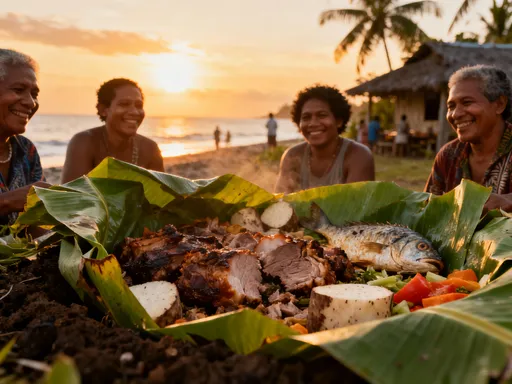
One of the most profound moments of my trip came during a village-hosted cultural evening arranged through a reputable local tour operator. The centerpiece of the evening was the lovo, a traditional Fijian earth oven that transforms simple ingredients into something extraordinary. As the sun began to dip below the palm trees, I watched as men dug a shallow pit and layered it with smooth river stones. A fire was lit, and for nearly two hours, the stones heated until they glowed red beneath the flames.
Once the fire died down, the hot stones were carefully arranged, and the real magic began. Marinated pork, whole chickens, and fresh fish were wrapped in banana leaves, along with bundles of dalo, cassava, and taro. These parcels were placed directly onto the stones, then covered with more banana leaves and a damp sack to trap the steam. The entire pit was sealed with soil, turning it into a natural oven that would cook everything slowly over several hours. The process was deliberate, unhurried—a reminder that some things cannot be rushed.
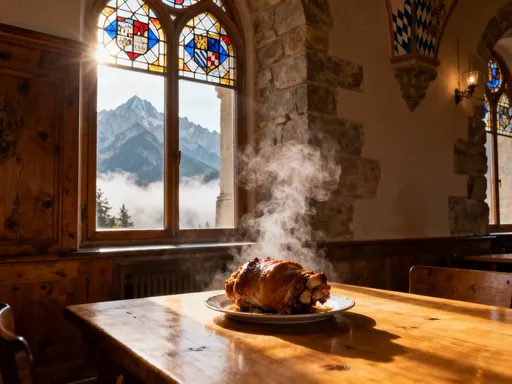
When the lovo was finally opened, the aroma was unforgettable—smoky, herbal, and rich, with hints of coconut milk and citrus. Steam rose in swirling clouds as the banana leaves were peeled back to reveal tender, succulent meats and perfectly softened root vegetables. There were no plates, no forks—just large platters passed around as we sat on woven mats. We ate with our hands, tearing off pieces of pork that fell apart at the touch, savoring fish infused with the essence of the earth and leaves. Every bite carried the warmth of the fire and the care of the cooks.
But more than the food, it was the act of sharing that moved me. Sitting in a circle, passing platters, laughing with strangers who quickly felt like friends—this was connection at its most elemental. The lovo isn’t just a cooking method; it’s a symbol of Fijian hospitality, of community, of generosity. In a world that often feels fragmented, that meal reminded me of the power of gathering around food. It wasn’t just dinner. It was a lesson in presence, in gratitude, in belonging.
Hidden Eats: Off-the-Beaten-Path Food Stalls You Gotta Try
While resort buffets and tourist menus have their place, some of the most memorable meals I had in Nadi came from unmarked stalls and family-run shacks tucked away from the main roads. One afternoon, while walking along Wailoaloa Beach, I spotted a small wooden cart shaded by a blue tarp. A hand-painted sign read “Kokoda & Cold Drinks,” and the line of locals waiting told me everything I needed to know. I joined the queue and soon found myself holding a small plastic cup filled with Fiji’s answer to ceviche—kokoda.
The dish was stunning in its simplicity: chunks of fresh reef fish, cured in lime juice and mixed with rich coconut milk, finely diced cucumber, and a touch of chili. The flavors were bright and clean, with the acidity of the lime cutting through the creaminess of the coconut. Each bite was cool, slightly tangy, and deeply satisfying—a perfect match for the ocean breeze. The vendor, a woman named Lani, smiled as I took my first bite. “Made this morning,” she said. “Fish came in at sunrise.” That freshness was undeniable, and it elevated the dish from simple to sublime.
Another discovery came at a small bakery near the edge of town, run by a Samoan family who had settled in Nadi decades ago. Inside, the air was sweet with the scent of caramelized bananas. I ordered their famous banana pancakes, thick and golden, served with a drizzle of palm syrup and a side of coconut cream. The first bite was pure comfort—warm, slightly crispy at the edges, and impossibly soft inside. The palm syrup added a deep, molasses-like sweetness that balanced the fruit perfectly. It was the kind of breakfast that lingers in your memory long after the plate is empty.
These hidden spots reminded me that the best food experiences often happen when you step off the beaten path. They’re not listed in guidebooks, but they’re known to locals, passed down through word of mouth. They don’t have websites or Instagram accounts, but they have heart. And they offer something no tourist menu can replicate: authenticity. Seeking them out requires a bit of courage and curiosity, but the rewards are immense. In these humble places, you don’t just eat—you connect.
Fusion Bites: Where Cultures Meet on a Plate
Nadi’s cuisine is a living testament to its multicultural identity. Over the past two centuries, waves of migration have brought Indigenous Fijians, Indian laborers, Chinese traders, and other Pacific Islanders into close contact, creating a culinary landscape that is both diverse and harmonious. Nowhere is this more evident than in the everyday meals served in local eateries, where a single plate can tell the story of generations.
One of the most striking examples I encountered was at a popular roadside café that specialized in a unique twist on a classic: roti with tuna curry. At first glance, it seemed like a simple dish—flaky flatbread with a side of curry. But the curry was no ordinary recipe. Instead of the traditional chicken or goat, it featured chunks of fresh tuna, simmered in a spiced coconut milk sauce with turmeric, ginger, and green chilies. The result was a dish that bridged worlds: the Indian-inspired roti, the Fijian love of seafood, and the tropical richness of coconut—all in perfect balance.
This kind of fusion isn’t forced or trendy; it’s born of necessity, adaptation, and shared life. When Indian laborers arrived in Fiji, they brought their spices and cooking techniques, but adapted them to local ingredients. Coconut milk replaced cream, cassava stood in for potatoes, and fresh fish took the place of lamb. Over time, these adaptations became tradition. Today, dishes like curry with rice and dalo, or fish samosas, are considered staples of Fijian home cooking. They’re not seen as “ethnic” or “foreign”—they’re simply Fijian.
What makes Nadi’s food scene quietly revolutionary is how naturally this blending occurs. There’s no fanfare, no claim to innovation—just people cooking the food they love, using what’s available, honoring their roots while embracing their neighbors. In a world where cultural differences are often highlighted, Nadi offers a different message: that harmony can be delicious. And that the best way to understand a place might just be to sit down and share a meal.
Seafood Straight from the Source: Dining by the Water
Living on an island nation means the ocean is never far away—and in Nadi, it’s always on the menu. One evening, I followed the sound of sizzling grills to a no-frills beachfront eatery where fishermen doubled as chefs. There were no menus, just a display of that day’s catch: whole snapper, octopus, prawns, and even a few coconut crabs. I pointed to a medium-sized snapper, and within minutes, it was being scaled, gutted, and seasoned with salt, lemon, and a touch of garlic.
As the fish grilled over open coals, I watched the flames dance beneath its skin, crisping the edges while keeping the flesh moist and tender. When it arrived on a banana leaf with a side of steamed dalo and a simple tomato-onion salad, I felt a deep appreciation for the simplicity of it all. This wasn’t just seafood—it was a direct line from ocean to plate, with no middlemen, no delays, no pretense. The first bite confirmed it: the fish was sweet, clean, and full of flavor, a testament to its freshness and the care taken in preparation.
What impressed me most was the respect these cooks had for their ingredients. There was no over-seasoning, no elaborate sauces—just salt, fire, and time. They didn’t need to mask anything because there was nothing to hide. The ocean here isn’t just a source of food; it’s a provider, a teacher, a part of daily life. Fishermen rise before dawn, reading the tides and weather like a second language. They know which reefs yield the best fish, which seasons bring the octopus, and how to take only what is needed.
This relationship with the sea fosters a quiet sustainability—one that doesn’t require labels or certifications, but is built into tradition. It’s a reminder that the most sustainable practices are often the oldest ones. And when you taste food that comes from such a place, you don’t just enjoy a meal. You feel connected to a rhythm older than tourism, older than trends—a rhythm of respect, balance, and gratitude.
Sweet Endings: Desserts and Drinks That Complete the Journey
No meal in Nadi feels truly complete without something sweet—and the island’s desserts are as heartfelt as they are delicious. One evening, as the sun painted the sky in shades of coral and gold, I was offered a small cup of bilo, a traditional coconut pudding made from grated coconut, coconut water, and a touch of sugar, thickened over low heat. Served chilled in a coconut shell, it was creamy, subtly sweet, and cooling—a perfect end to a rich meal. Each spoonful carried the essence of the tropics, a reminder that the simplest ingredients can create the most memorable flavors.
I also tried fried banana fritters, golden and crispy on the outside, soft and sweet within. Dusted with a hint of cinnamon and served with a side of palm syrup, they were comfort in edible form. A local woman selling them from a roadside cart told me they were a favorite at family gatherings. “We make them for birthdays, for church events, for no reason at all,” she said with a laugh. “When there’s joy, there’s fritters.”
And then there was kava—a drink I approached with curiosity. Often associated with ceremonial gatherings, kava is made from the root of the yaqona plant, ground into a fine powder and mixed with water. I opted for a non-alcoholic version, served in a hollowed-out coconut shell. The first sip was earthy, slightly bitter, and surprisingly calming. It wasn’t a drink to be rushed, but to be shared, passed from hand to hand, accompanied by quiet conversation and mutual respect.
What I realized in that moment was that even dessert and drinks in Nadi carry meaning. They’re not just afterthoughts—they’re extensions of culture, of connection, of celebration. Whether it’s passing a cup of kava or sharing a plate of fritters, these small acts reinforce bonds between people. And for a visitor, being included in them feels like more than hospitality. It feels like belonging.
Nadi’s dining scene is more than meals—it’s a living story of culture, resilience, and generosity. Every dish offers a chance to taste tradition and modern life intertwined. For travelers, choosing to eat like a local isn’t just rewarding—it’s transformative. When you let food lead the way, you don’t just visit Fiji. You feel it.