Lost in the Colors of Fujairah’s Hidden Art Soul
Stepping into Fujairah feels like flipping through the pages of a storybook no one told you about—where ancient mountains meet vibrant murals, and culture pulses in quiet alleyways. I didn’t expect art to explode around me in such stillness. From hand-painted forts to ceramic workshops humming with tradition, this emirate is a canvas few have seen. It’s raw, real, and quietly revolutionary. While most visitors to the UAE are drawn to the gleaming towers of Dubai or the grand museums of Abu Dhabi, Fujairah offers something different: a slower, deeper rhythm rooted in heritage and human touch. Here, creativity isn’t confined to galleries—it spills onto walls, shapes clay, and echoes in poetry under desert skies. This is not tourism as spectacle, but as connection, as understanding, as quiet awe.
First Impressions: Beyond the Beaches of Fujairah
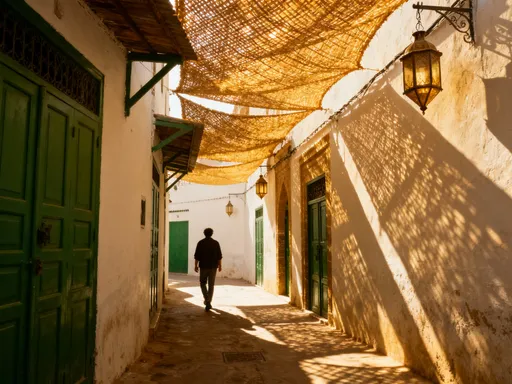
Fujairah is often introduced as the UAE’s only emirate on the Gulf of Oman, celebrated for its clear waters and coral reefs. Many come for diving, beachside relaxation, or weekend getaways in shaded resorts. But beyond the coastline lies a landscape that speaks in whispers rather than shouts—a terrain where authenticity unfolds without fanfare. The first thing that strikes a mindful traveler is the absence of performance. There are no staged cultural shows or overpriced souvenirs crowding every corner. Instead, life moves at its own pace: women weaving traditional *sadu* patterns outside family homes, elders gathering in shaded courtyards sipping karak tea, and children playing near stone-walled compounds that have stood for generations.
The Hajar Mountains rise like ancient sentinels along the border with Oman, their rust-colored peaks glowing at sunrise and softening into lavender hues by dusk. These mountains are not just a backdrop—they are part of the emirate’s identity, shaping everything from architecture to agriculture. Villages cling to the slopes, where date palms sway in the breeze and small farms cultivate pomegranates, limes, and bitter oranges. In the early morning light, the call to prayer echoes through the valleys, blending with the distant bleating of goats and the rustle of palm fronds. It is a soundscape untouched by urban noise, a rhythm that invites reflection.
What sets Fujairah apart is its refusal to conform to the high-speed modernity seen elsewhere in the country. There are no towering skyscrapers, no artificial islands, no shopping malls that dominate the skyline. Instead, the emirate maintains a balance—respecting progress while holding fast to tradition. This is evident in the modest design of public buildings, the preservation of old watchtowers, and the way local customs remain woven into daily life. For families seeking a meaningful travel experience, Fujairah offers something rare: a chance to witness culture not as a display, but as a lived reality.
The Street Art Revolution: Murals That Speak
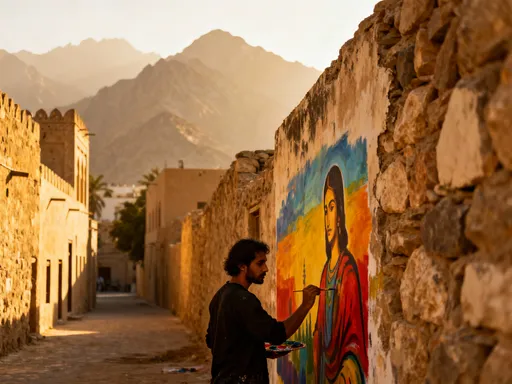
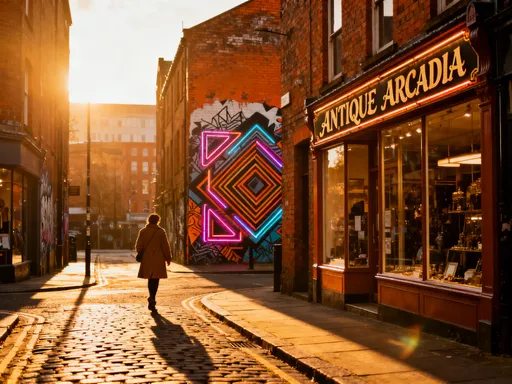
In recent years, Fujairah has quietly become a hub for public art, transforming its urban spaces into open-air galleries. Unlike the graffiti-covered alleys of global cities, the murals here are not acts of rebellion but expressions of community identity. Supported by the Fujairah Cultural Foundation, local and international artists have collaborated to paint walls with purpose. These are not random images splashed for visual effect—they are carefully curated stories that honor Emirati heritage while embracing contemporary creativity.
In neighborhoods like Al Faseel and Fujairah City, large-scale frescoes cover building facades, depicting scenes of pearl divers descending into turquoise waters, falconers with birds perched proudly on gloved hands, and desert landscapes dotted with ghaf trees and oryx. One particularly moving mural near the old souq shows a fisherman’s net gradually transforming into flowing Arabic calligraphy. The artist, a Emirati woman trained in Dubai, described it as a metaphor for the connection between sea and script—between survival and storytelling. The net represents sustenance, while the calligraphy symbolizes knowledge, history, and identity.
These murals are more than decoration—they are educational tools. Schools bring students on walking tours to discuss the symbolism, and families pause during evening strolls to explain the images to their children. The city has also implemented guided mural trails, complete with QR codes that link to audio descriptions in multiple languages. This blend of art and accessibility ensures that the message reaches both locals and visitors. Importantly, all artworks are created with community approval, often involving residents in the design process. This collaborative approach fosters pride and ownership, making the art feel like a true reflection of the people.
Fujairah Fort: Where History Wears a Fresh Coat
At the heart of Fujairah City stands one of the UAE’s most significant historical landmarks—Fujairah Fort. Built in the 16th century and remarkably well-preserved, the fort is a testament to the region’s resilience and architectural ingenuity. Its thick coral-stone walls, circular watchtowers, and central courtyard have withstood centuries of wind, salt, and shifting political tides. Unlike many historic sites that remain frozen in time, Fujairah Fort has been reimagined as a living cultural space.
During the annual Fujairah Arts Festival, the fort transforms into a vibrant center of creativity. The inner courtyard hosts live pottery demonstrations, where artisans shape clay on hand-turned wheels, their fingers moving with practiced ease. Visitors can try their hand at painting ceramic tiles using traditional geometric patterns. Nearby, elders teach the art of henna application, drawing intricate designs on hands and feet, while poets recite verses in classical Arabic beneath shaded tents. The juxtaposition of ancient stone and modern expression creates a powerful dialogue between past and present.
Guided tours offer deep insights into the fort’s history, explaining how it served as both a defensive stronghold and a seat of governance. Visitors learn about tribal alliances, water management systems, and the significance of wind-tower architecture in cooling buildings naturally. What makes the experience especially meaningful is the presence of local guides—many of them descendants of families who lived in the area for generations. Their personal stories add emotional depth, turning historical facts into lived memory. For families traveling with children, the fort offers interactive exhibits that make learning engaging and accessible.
Craft Villages and the Hands That Shape Culture
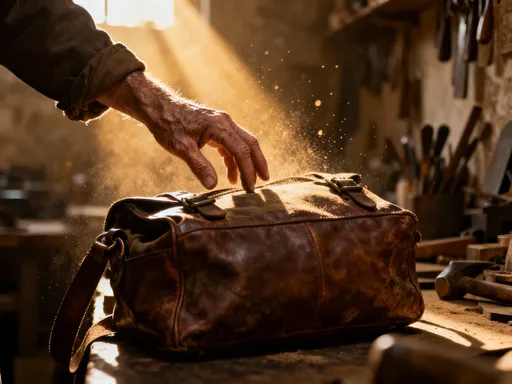
Just a short drive from the city center, craft villages offer an intimate look at the artisans who keep Emirati traditions alive. In Khor Fakkan’s Arts and Crafts Hub, skilled potters shape *dallah* pots—distinctive coffee vessels with long spouts—using techniques passed down for centuries. The process begins with locally sourced clay, which is kneaded, shaped, and fired in wood-burning kilns. Each piece bears the mark of the maker, a subtle imperfection that speaks of human touch in an age of mass production.
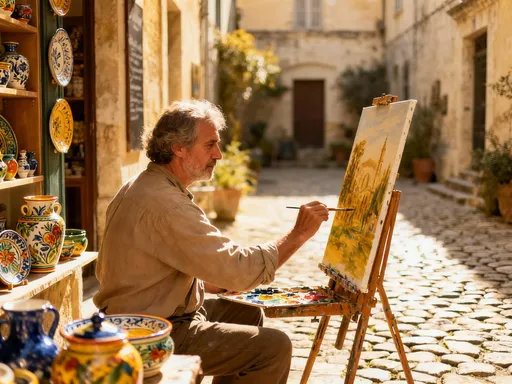
I had the chance to participate in a ceramic painting workshop, where I learned to apply natural pigments in traditional patterns. The experience was both messy and meditative, a reminder that creativity is not always about perfection but presence. The artisans were patient and encouraging, sharing stories about their apprenticeships and the importance of preserving their craft. What struck me most was the absence of commercial pressure—there were no aggressive sales tactics, no souvenir stalls filled with cheap imitations. Instead, visitors could purchase directly from the makers, with prices reflecting the time and skill invested.
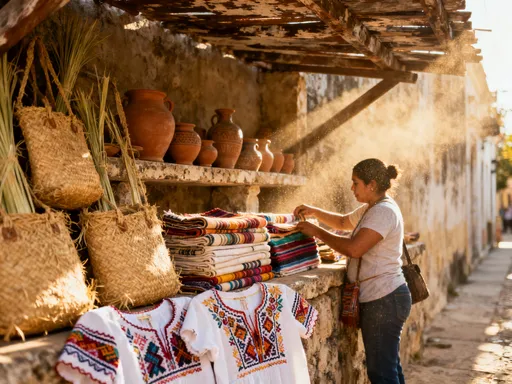
Nearby, textile cooperatives continue the art of weaving palm fronds into baskets, mats, and even small furniture. This craft, known as *sadu* when referring to wool weaving and *khoos* for palm-based items, is deeply tied to Bedouin heritage. Women gather in communal spaces, their hands moving swiftly as they twist and loop the fronds into durable, functional pieces. Some of these items are still used in everyday life—palm mats for sitting, woven baskets for storing dates and bread. By supporting these cooperatives, travelers contribute directly to the sustainability of traditional crafts, ensuring they are not lost to time.
The Fujairah Arts Festival: A Cultural Pulse
Every spring, the entire emirate comes alive during the Fujairah Arts Festival, a week-long celebration that turns streets, parks, and public buildings into stages for creativity. Galleries open their doors to showcase works by Emirati and regional artists, schools display student projects, and temporary exhibitions appear in unexpected places—parking lots, bus shelters, even the walls of public restrooms. The festival is not about exclusivity; it is about inclusion, accessibility, and shared pride.
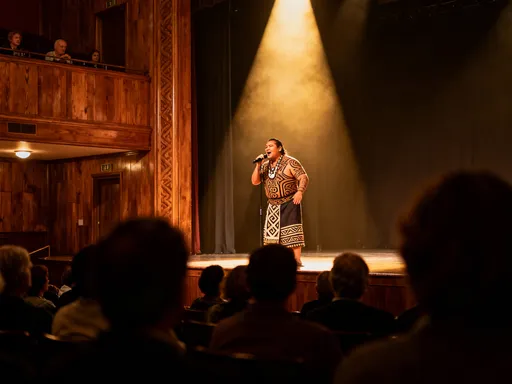
What makes the event truly special is its emphasis on participation. Children are invited to paint murals alongside professionals, elders share oral histories that inspire new artworks, and people with disabilities are given platforms to express themselves through adapted mediums. I watched a deaf artist use bold strokes and textured layers to convey emotions that words could not capture. Her work drew crowds, not out of pity, but out of genuine appreciation for her vision. Nomadic Bedouin musicians performed under the stars, their haunting melodies carried on the night breeze, while calligraphers demonstrated the beauty of Arabic script in real time.
The festival also includes workshops on traditional crafts, storytelling sessions, and culinary demonstrations featuring Emirati dishes like *machboos* and *luqaimat*. Families gather on picnic blankets, sharing food and laughter as children run between art installations. There is no sense of hierarchy—everyone is both viewer and participant. This spirit of unity reflects a broader cultural shift in the UAE, where the arts are no longer seen as a luxury but as a vital part of national identity. For visiting families, the festival offers a rare opportunity to engage with culture in a warm, welcoming environment.
Museums With a Mission: Culture Beyond Glass Cases
The Fujairah Museum, housed in a restored residence once occupied by a local ruler, offers a thoughtful alternative to conventional museum experiences. Rather than displaying artifacts behind glass, the museum emphasizes context and storytelling. Exhibits include reconstructed heritage rooms—a traditional majlis, a family kitchen, a bridal chamber—furnished with authentic objects used in daily life. Pre-Islamic tools, ancient coins, and pottery shards are presented alongside audio narratives from local historians, connecting each item to a specific time, place, or family.
One exhibit focuses on the evolution of fishing in the region, showcasing hand-carved wooden boats, hand-knotted nets, and tools used in pearl diving. A short film explains how this industry shaped coastal communities, supporting entire families for generations. Another section highlights agricultural practices in the mountain villages, with displays of terraced farming techniques and traditional irrigation systems known as *aflaj*. These exhibits do not romanticize the past but present it with honesty and respect, acknowledging both hardship and resilience.
Outside the city, the Dibba Rock Art Trail offers an even more direct connection to ancient history. Guided tours lead visitors to remote boulders inscribed with petroglyphs—carvings of ibex, hunters, and abstract symbols—believed to be over 3,000 years old. These images, etched into stone by early inhabitants, represent some of humanity’s earliest forms of communication. Standing before them, one feels a profound sense of continuity—the same mountains, the same sky, the same human impulse to create and remember. The site is carefully managed to protect the carvings, with boardwalks and informational panels ensuring minimal impact while maximizing understanding.
Why Fujairah’s Art Scene Matters—And Where It’s Going
Fujairah’s cultural renaissance is not a fleeting trend but a deliberate, long-term vision. Backed by the Fujairah Cultural Foundation and driven by passionate local artists, the emirate is positioning itself as the soulful heart of the UAE’s creative landscape. Unlike destinations that prioritize spectacle, Fujairah invests in authenticity—supporting public art projects, funding school arts programs, and offering residencies for emerging artists. These initiatives ensure that culture is not just preserved but evolved, shaped by new voices while honoring its roots.
For travelers, especially families, this means access to experiences that go beyond sightseeing. In Fujairah, you don’t just see a mural—you learn the story behind it. You don’t just visit a fort—you hear the echo of ancestors in its walls. You don’t just watch a craft being made—you try it yourself, guided by someone who has spent a lifetime mastering it. These moments of connection create lasting memories, fostering a deeper appreciation for Emirati heritage.
As global tourism continues to shift toward meaningful, sustainable travel, Fujairah offers a powerful example. It proves that culture does not need to be packaged or performed to be valuable. Instead, it thrives when it is lived, shared, and celebrated in everyday spaces. This is not a destination that shouts for attention. It whispers. And if you listen closely, you’ll hear the quiet pulse of a community painting its future—one brushstroke, one story, one hand-shaped pot at a time. In a world that often feels rushed and artificial, Fujairah stands as a reminder that beauty, meaning, and connection are still possible. It invites us not just to visit, but to see, to feel, and to remember.