You Won’t Believe What This Desert Town Hides
Uyuni, Bolivia, isn’t just about the salt flat—it’s a gateway to one of Earth’s most surreal cityscapes. I arrived expecting blinding white expanses, but found something deeper: a high-altitude frontier town where rusted trains, cactus-studded islands, and colorful miner’s markets paint an unexpected urban portrait. At over 3,600 meters, the air is thin, the skies endless, and every corner tells a story of resilience. This is travel beyond the postcard—raw, real, and unforgettable.
Arrival in Uyuni: First Impressions Above the Clouds
Touching down in Uyuni feels like stepping onto another planet. The journey typically begins with a small aircraft descending through wisps of cloud into a desert basin so vast it seems to stretch beyond the curvature of the Earth. Passengers often gasp as the landscape unfolds—ochre hills, silver salt crusts, and a scattered cluster of low buildings huddled against the wind. The elevation, over 3,600 meters above sea level, hits quickly. First-time visitors may feel light-headed, short of breath, or unusually fatigued. These physical sensations are a reminder: this is not a place that accommodates casual tourism. It demands respect, patience, and adaptation.
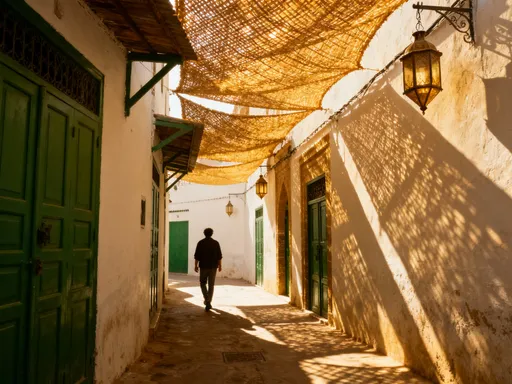
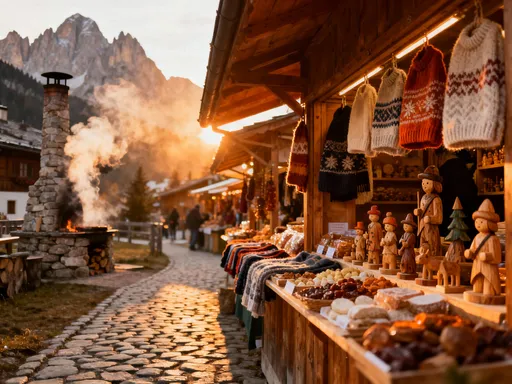
Stepping off the plane, the air is crisp and dry, carrying the faint scent of dust and wood smoke. The town emerges in fragments—narrow streets lined with modest adobe homes painted in faded blues, rust-reds, and sun-bleached yellows. Doorways are often adorned with woven textiles or hand-carved lintels, hints of personal pride in an environment that tests endurance. Llamas graze near the edge of town, their silhouettes stark against the horizon. Market stalls spill onto sidewalks, displaying woolen gloves, alpaca sweaters, and hand-painted souvenirs. The rhythm of life here is unhurried, shaped by altitude and isolation.
Many travelers arrive with the sole intention of visiting the Salar de Uyuni, the world’s largest salt flat, and view the town merely as a necessary stopover. But those who pause to look closer discover a community rich in character and quiet dignity. Uyuni is not a backdrop; it is a living, breathing place where miners, artisans, and tour operators navigate the challenges of high-desert life. The contrast between expectation and reality is striking. This is not just a launchpad for salt flat tours—it is a cultural crossroads where Andean traditions meet modern tourism, and where every cracked wall and weathered face tells a story of survival.
The Ghost Train Yard: A Relic of a Forgotten Boom
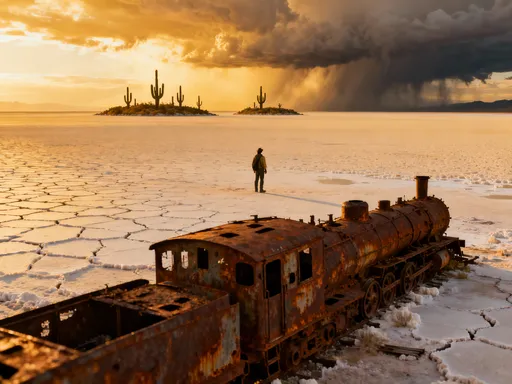
Just a ten-minute walk from the center of town lies one of Uyuni’s most haunting landmarks—the old train cemetery, locally known as the Cementerio de Trenes. Here, skeletal locomotives and freight cars stand frozen in time, their rusted frames half-buried in the shifting sands. The site is open to the public, unguarded and uncurated, a raw testament to Bolivia’s industrial past. The silence is profound, broken only by the wind whistling through broken windows and creaking metal joints. These trains once carried silver, tin, and other minerals from the Andes to Pacific ports, fueling a mining boom in the late 19th and early 20th centuries.
The arrival of railroads in Uyuni transformed the region. Built by British engineers and funded by foreign capital, the lines connected remote highland towns to global markets. Uyuni became a vital hub, its population swelling with workers, merchants, and engineers. But as mineral reserves dwindled and trade routes shifted, the railways fell into disuse. By the mid-20th century, many lines were abandoned, and the trains were left to decay under the relentless sun and wind. Today, they serve as an open-air museum of industrial decline, their oxidized hulls glowing orange under the high-altitude light.
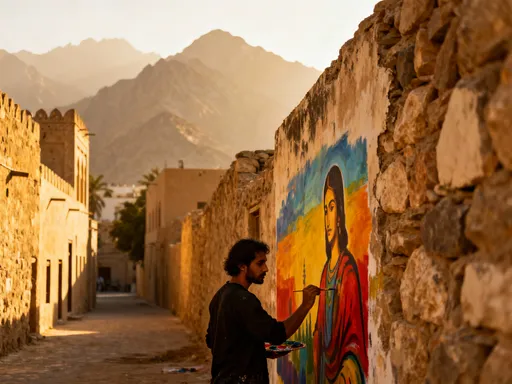
Despite their decay, the trains have not been forgotten. Local artists have turned the site into a canvas, covering some cars with vibrant graffiti that blends indigenous symbols with modern expressions. The contrast between decay and creativity is striking—where one sees abandonment, another sees opportunity. Visitors are free to climb aboard, peer into cabs frozen in time, and photograph the surreal juxtaposition of machinery and desert. It is a place that invites reflection on progress, impermanence, and the cost of resource extraction. The ghost train yard is not merely a tourist attraction; it is a monument to the dreams and disappointments of a bygone era.
Colorful Chaos: The Heartbeat of Uyuni’s Market Scene
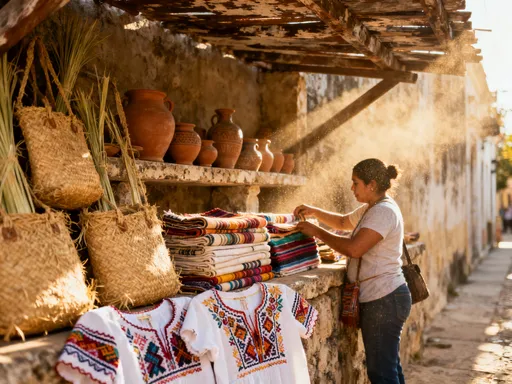
The central market of Uyuni pulses with energy, a kaleidoscope of color, sound, and scent that offers a direct line to the town’s soul. Rows of stalls stretch through covered arcades and spill into open plazas, selling everything from dried alpaca meat to handwoven chuspas—traditional bags used to carry coca leaves. The air is thick with the aroma of roasting quinoa, frying potatoes, and spiced stews simmering in clay pots. Vendors, many dressed in traditional polleras (pleated skirts) and bowler hats, call out in a mix of Spanish and Quechua, the indigenous language still widely spoken in the region.
This is not a market designed for tourists. While souvenirs are available, the majority of goods serve daily life. Stalls offer practical items—rain gear, work boots, cooking oil, and medicinal herbs—alongside regional specialties like chuño (freeze-dried potatoes) and llama jerky. The bartering culture remains strong, and a smile or shared joke can go further than any currency. Visitors who take the time to engage often leave with more than purchases; they gain a sense of connection, however brief, to a resilient community shaped by centuries of Andean tradition.
Hidden among the stalls are small eateries known as comedores, where locals gather for hearty, affordable meals. One popular dish is silpancho, a layered plate of rice, potatoes, beef, and a fried egg, often served with a spicy tomato-based sauce. Another favorite is pique a lo macho, a robust combination of beef, sausage, onions, and peppers, said to restore strength after long days in the cold. Fresh fruit juices—made from tumbo, passionfruit, or lúcuma—are sold in reused glass jars, a small but meaningful sign of resourcefulness. The market is not just a place to eat or shop; it is where Uyuni’s social fabric is woven, day after day.
Architectural Whispers: Adobe, Iron, and Desert Design
The architecture of Uyuni reflects a deep dialogue between human need and environmental constraint. With few trees and extreme temperature swings, building materials are chosen for durability and thermal efficiency. Adobe bricks, made from sun-dried clay and straw, form the walls of most homes, providing natural insulation against the cold nights and scorching days. Roofs are typically constructed from corrugated metal, painted in bright colors that stand out against the muted desert palette. Windows are small, minimizing heat loss, and doors are often reinforced to withstand strong winds.
The town’s layout bears the imprint of its mining history. Streets are narrow and functional, designed for foot traffic and mule carts rather than vehicles. Many homes open into shared courtyards, a design that fosters community and offers shelter from the elements. The influence of colonial planning is visible in the central plaza, where a modest church and municipal buildings anchor public life. Though the original church was damaged by fire, its remaining walls and bell tower still stand as a quiet landmark.
In recent years, new construction has introduced experimental materials, including bricks made from compressed salt—a nod to the region’s most famous resource. While still limited in use, these structures hint at a future where architecture and landscape are even more closely aligned. Modern guesthouses and hostels blend traditional forms with contemporary comforts, offering travelers a place to rest without disrupting the town’s aesthetic. Every building in Uyuni, whether centuries-old or newly built, tells a story of adaptation. This is architecture not as art, but as survival—a quiet testament to human ingenuity in one of the world’s most demanding environments.
Beyond the Town: Island Views and Panoramic Vistas
While Uyuni itself holds profound charm, its true wonder lies just beyond the town limits. Multi-day 4x4 tours venture into the heart of the Salar de Uyuni, crossing vast salt plains that shimmer like a frozen sea. One of the most memorable stops is Incahuasi Island, a rocky outcrop rising abruptly from the flat expanse. Once a prehistoric volcano, it is now home to a forest of giant cacti, some over 1,000 years old and reaching heights of 12 meters. Walking among them, with the salt stretching endlessly in every direction, creates a surreal sense of scale and solitude.
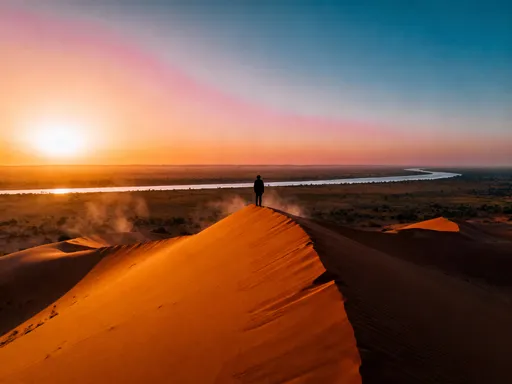
The island offers one of the few elevated viewpoints in the region, allowing visitors to climb to the top and take in a 360-degree panorama. On clear days, the horizon blurs into the sky, creating an effect known as the “infinite horizon”—a disorienting, almost spiritual experience. Photographers flock here at sunrise and sunset, when the light paints the salt in hues of pink, gold, and lavender. The silence is profound, broken only by the crunch of footsteps on crust and the distant call of Andean birds.
Another lesser-known gem is the Ojos del Salar—natural springs where groundwater emerges through the salt crust, surrounded by intricate crystalline patterns. These oases support small colonies of flamingos and other wildlife, a rare sign of life in an otherwise barren landscape. Unlike the crowded salt flat reflections of the rainy season, the Ojos offer a more intimate, contemplative experience. These excursions do more than showcase natural beauty; they reshape how travelers understand Uyuni. The town is not separate from the wilderness—it is part of a continuum, where urban life and extreme nature exist in fragile balance.
Surviving the Extremes: Practical Tips for a Seamless Stay
Traveling in Uyuni requires preparation. The high-altitude desert environment presents unique challenges that can affect even experienced adventurers. Temperature swings are extreme—days can reach 20°C (68°F), while nights often drop below freezing. Layered clothing is essential, including thermal base layers, windproof jackets, and warm hats. Sun protection is equally critical; the UV index at this elevation is among the highest in the world. A wide-brimmed hat, UV-blocking sunglasses, and high-SPF sunscreen are non-negotiable.
Altitude sickness is a real concern. Symptoms like headache, nausea, and fatigue are common in the first 24 to 48 hours. To acclimatize safely, travelers are advised to rest upon arrival, avoid alcohol, and drink plenty of water. Many locals and tour guides recommend coca tea, a traditional Andean remedy believed to ease symptoms. While not a medical treatment, its mild stimulant properties can help with alertness and breathing. Pacing activities and avoiding overexertion in the first days significantly improves the experience.
Transportation to and within Uyuni should be arranged in advance. Flights from La Paz or Sucre are the most efficient entry points. Once in town, most visitors book multi-day 4x4 tours through licensed operators. It is wise to research companies that prioritize vehicle safety, experienced drivers, and sustainable practices. Reputable tours include oxygen tanks, emergency supplies, and knowledgeable guides fluent in English and Spanish. Travelers should also carry snacks, extra water, and a basic first-aid kit. With proper planning, the journey becomes not just safe, but deeply rewarding.
Why Uyuni’s Cityscape Matters: Beauty in the Unexpected
In an age of curated travel content and picture-perfect destinations, Uyuni stands apart. It does not offer luxury resorts or manicured streets. Instead, it reveals a different kind of beauty—one rooted in authenticity, resilience, and rawness. The town’s charm lies not in perfection, but in its imperfections: the rust on the trains, the cracks in the adobe walls, the laughter in the market. These details tell a story of a place that has endured economic shifts, environmental extremes, and geographic isolation, yet continues to thrive.
Uyuni challenges the notion that great travel experiences must be comfortable or convenient. Staying here—engaging with daily life, sharing meals with locals, waking up to the sound of wind against metal roofs—offers a deeper form of connection. It invites travelers to slow down, to listen, and to appreciate the quiet dignity of a community far from global centers. This is the essence of slow travel: not just seeing a place, but feeling it.
Moreover, Uyuni serves as a reminder that cultural depth often lies beyond the headline attractions. The salt flat is undeniably spectacular, but it is the town that gives context to the landscape. The miners, artisans, and families who call Uyuni home are the stewards of this fragile ecosystem. Their lives are intertwined with the land in ways that tourists can only begin to understand. To visit Uyuni is to witness a place where history, survival, and stark beauty converge—a place that rewards those who look beyond the surface.
The true magic of Uyuni is not just in its mirror-like flats—it’s in the rugged town that thrives against the odds. This is a place where history, survival, and stark beauty converge, inviting travelers to look closer, stay longer, and see the poetry in the unexpected.