Through the Lens of Celebration: Chasing Light and Life in Dijon’s Festive Heart
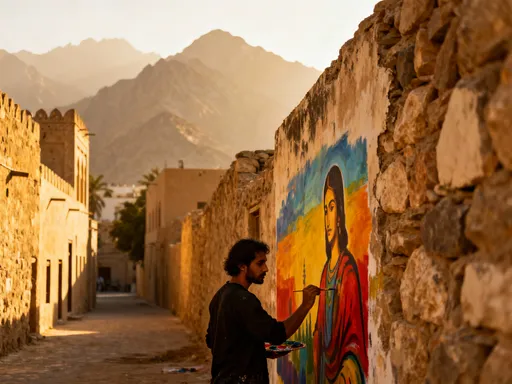
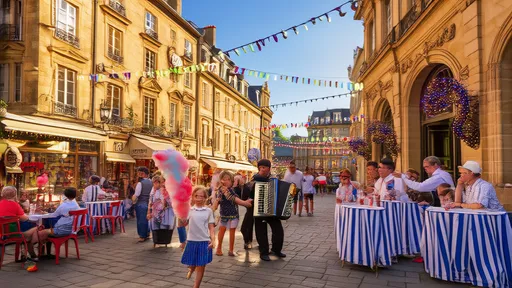
Have you ever watched a city come alive through your camera lens? In Dijon, France, festival moments transform stone streets into stages of color, sound, and soul. I wandered through markets humming with energy, capturing smiles, flames, and centuries-old traditions unfolding in real time. This isn’t just travel photography—it’s storytelling with light. And Dijon, with its autumnal glow and vibrant cultural heartbeat, offers some of the most authentic festival scenes in Burgundy. The city’s festivals are not grand spectacles designed for tourists, but intimate expressions of community life, where every gesture, melody, and flame carries meaning. For photographers seeking truth in imagery, Dijon is a quiet revelation waiting to be framed.
The Allure of Dijon: More Than Just Mustard
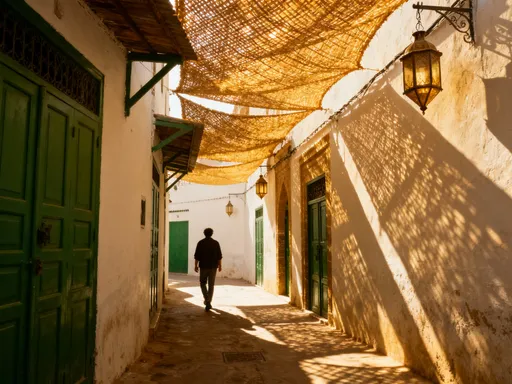
Dijon is often reduced to a condiment in global imagination, but the city pulses with cultural depth. Its cobbled lanes, golden limestone buildings, and historic clock towers set a photogenic stage year-round. During festivals, this elegant backdrop becomes a living canvas. Street performers, illuminated facades, and bustling squares turn the old town into a dynamic subject for visual storytelling. The city’s compact size and pedestrian-friendly center make it ideal for immersive photography, where every alley hides a potential shot. Unlike larger French cities, Dijon retains an intimate charm—locals greet each other by name, and celebrations feel personal, not performative. This authenticity is gold for photographers seeking genuine moments over staged scenes.
Walking through Dijon’s historic core, one is struck by the harmony between architecture and atmosphere. The Palais des Ducs, with its twin-towered facade and weathered stone, stands as a silent witness to centuries of celebration. Around it, the rhythm of daily life blends seamlessly with seasonal festivities. In spring, market stalls overflow with tulips and hyacinths; in winter, strings of warm lights crisscross narrow streets. These transitions are not abrupt but gradual, like the changing of a film reel. For the photographer, this means that even in the quiet moments between festivals, Dijon offers compelling subjects—shadows falling across ancient doorways, reflections in rain-slicked cobblestones, or a baker arranging fresh bread in a sunlit window.
What sets Dijon apart from more heavily touristed French destinations is its resistance to commercialization. There are no souvenir shops on every corner, no crowds pressing through the streets with selfie sticks. Instead, visitors encounter a city that lives for itself first, inviting outsiders to observe, not dominate. This sense of respect for tradition and place creates a rare environment for meaningful photography. The images captured here are not of staged performances, but of real life unfolding—children chasing bubbles during a spring fair, elders sharing stories on park benches, artisans demonstrating age-old crafts. These are the moments that, when framed with care, speak volumes about the soul of a place.
Festival Rhythm: When Dijon Dances to Tradition
Festival life in Dijon follows the seasons, from spring flower markets to winter light displays. One of the most visually striking is the Fête de la Saint-Vincent, a January tribute to the patron saint of winegrowers. Processions in historic costumes wind through the streets, torches lighting the way, while choirs sing in Latin. For photographers, the contrast of firelight against dark stone walls and frosty air creates dramatic, high-contrast compositions. The flickering flames cast dancing shadows on centuries-old facades, turning the entire city into a living theater. The event draws vintners from across Burgundy, each carrying a torch in honor of their vineyard, a tradition that stretches back to the 19th century. The reverence in their expressions, the rhythm of their steps, and the glow of their torches offer a photographer a rare opportunity to document both spectacle and solemnity.
Another highlight is Les Nuits d’Été, a summer series of open-air concerts and performances in courtyards and parks. These events offer soft evening lighting and candid moments of families, couples, and friends enjoying music under the stars—ideal for capturing emotion and atmosphere. Held in venues like the Cour des Hospices or the Jardin Arquebuse, the concerts feature everything from classical ensembles to folk musicians, often with local food and wine served nearby. The relaxed pace of the evenings allows photographers to move freely, observing interactions and expressions without intrusion. A child nodding off on a parent’s shoulder, an older couple swaying to a melody, a musician lost in the rhythm—these are the quiet, powerful images that resonate long after the music ends.
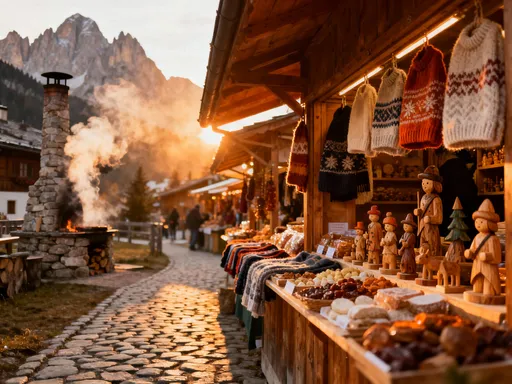
In autumn, the city embraces the harvest season with the Fête du Cidre et du Fromage, a celebration of regional produce. Apple ciders, artisanal cheeses, and freshly baked breads are showcased in the Place Saint-Bénigne, where the scent of cinnamon and woodsmoke fills the air. The festival’s warmth is not just culinary but human—vendors smile as they pour samples, children dip bread into honey, and friends gather around long tables sharing stories. The lighting during these daytime events is soft and golden, perfect for capturing the textures of food and fabric. Photographers can focus on close-ups of hands shaping dough, steam rising from a copper pot, or the intricate carvings on a wooden cheese board. These details, often overlooked, are essential threads in the larger tapestry of Dijon’s cultural identity.
Framing the Action: Best Spots for Festival Photography
To capture Dijon’s festival energy, location is everything. The Place de la Libération, with its grand Palais des Ducs, becomes a central hub during major events. Its open space allows for wide-angle shots, while surrounding cafés provide elevated vantage points. During the Fête de la Saint-Vincent, the square fills with torchbearers, their flames reflecting off the palace’s stone columns. Shooting from a second-floor café window offers a commanding view, enabling photographers to capture both the movement of the procession and the reactions of the crowd. The symmetry of the architecture also lends itself to balanced compositions, where light and shadow play off each other in dramatic contrast.
The Rue des Forges and Rue Sainte-Anne are narrow, atmospheric streets perfect for close-up, candid photography during parades. These alleys, barely wide enough for two people to walk side by side, become intimate corridors of celebration. As performers pass through, their costumes brushing against the stone walls, photographers can capture the texture of feathers, the glint of metal embroidery, or the concentration in a musician’s eyes. The tight space creates a sense of immediacy, drawing the viewer into the moment. Using a prime lens with a wide aperture allows for shallow depth of field, isolating subjects from the background and emphasizing emotion and detail.
Meanwhile, the Parc de la Colombière hosts family-friendly festival activities and offers soft natural light through tree canopies—great for portraits. During Les Nuits d’Été, the park becomes a stage for storytelling sessions, puppet shows, and acoustic performances. The dappled sunlight filtering through the leaves creates a natural diffusion effect, ideal for photographing children at play or couples enjoying a quiet moment. Early morning visits to the park, before events begin, offer serene shots of mist rising over the pond or dew clinging to spiderwebs—images that contrast beautifully with the energy of the festival day.
Lighting the Scene: From Torchlight to Twilight
Festival photography in Dijon often means working with mixed and low light. Torch processions, lantern displays, and stage lights create challenging but rewarding conditions. Using a tripod or stabilizing your camera allows for longer exposures, capturing light trails from moving torches or the glow of fireworks over rooftops. These long exposures can transform a simple procession into a river of fire winding through the city, with streaks of light painting the darkness. Even a small tabletop tripod can make a difference, especially when shooting from café tables or park benches.
Shooting in RAW format preserves detail in shadows and highlights, crucial when balancing bright flames against dark surroundings. This flexibility in post-processing allows photographers to recover subtle textures in costumes or architecture that might otherwise be lost. High ISO settings can help in dim areas, but noise reduction should be handled carefully in post-processing to maintain image clarity. Modern mirrorless cameras and high-end smartphones now offer excellent low-light performance, making it easier than ever to capture clean, detailed images even in near-darkness.
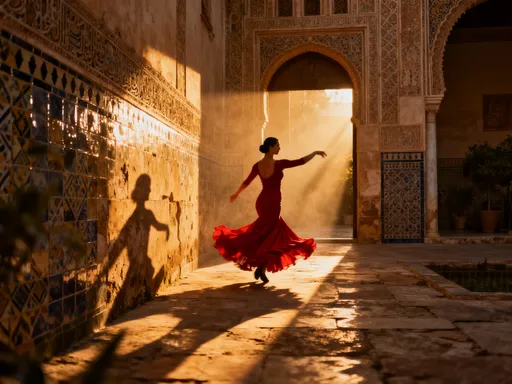
Natural twilight during summer festivals offers a magical blue hour—perfect for silhouette shots of dancers or illuminated monuments. The sky transitions from deep blue to violet, creating a soft backdrop that enhances artificial lights without overwhelming them. This is an ideal time to photograph the Palais des Ducs lit from below, its towers rising like sentinels against the evening sky. The absence of harsh sunlight allows for more creative exposure choices, and the cooler tones of the light lend a poetic quality to images. Photographers who time their visits to coincide with this daily transition often find their most evocative shots.
Beyond the Obvious: Capturing Culture in Small Moments
While grand parades and stages draw attention, the soul of Dijon’s festivals lives in the details. A vendor adjusting a handmade wreath, children laughing behind a puppet show, or hands passing a glass of local wine—these are the frames that tell deeper stories. These moments are not performative; they are lived. They reflect the rhythm of community life, where celebration is not a show but a shared experience. Photographers who focus solely on the main events risk missing the heart of the festival. It is in the quiet interactions, the unguarded expressions, the small rituals that authenticity resides.
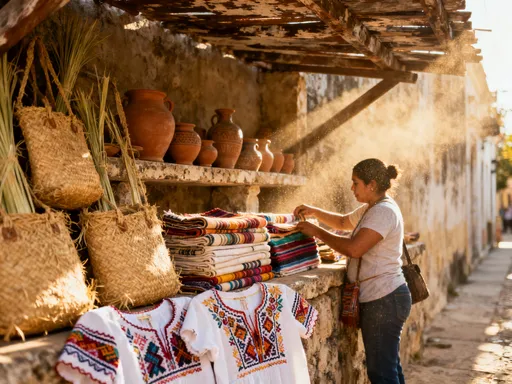
Close-up shots of textures—wooden market stalls, embroidered costumes, or steam rising from a food stand—add layers to your visual narrative. A macro lens can reveal the grain of wood on a cider press, the weave of a traditional apron, or the condensation on a wine glass. These details ground the viewer in the physical reality of the festival, making the experience more immersive. They also serve as visual anchors, helping to tell a fuller story when paired with wider scenes. A photograph of a wrinkled hand placing a cheese wheel on a table, for example, speaks of heritage, labor, and pride in a way that a wide shot of the market cannot.
Engaging politely with locals can lead to portrait opportunities filled with warmth and dignity. A simple smile, a nod, or a quiet “Bonjour” can open doors. Many artisans and vendors are proud of their work and happy to be photographed, especially if approached with respect. Asking permission before shooting close-ups is not just courteous—it builds trust and often results in more natural, expressive images. These portraits, when composed with care, become more than records; they become connections across cultures, a silent dialogue between subject and photographer.
Gear and Approach: Practical Tips for the Mobile Photographer
You don’t need professional gear to capture Dijon’s festival magic. A mirrorless camera or even a high-end smartphone with night mode can produce stunning results. Many modern smartphones now offer features like manual exposure control, portrait mode, and RAW capture, making them powerful tools for travel photography. The key is knowing your device’s capabilities and using them wisely. For example, using the volume buttons as a shutter release can reduce camera shake, and enabling grid lines helps with composition.
Bring a small tripod or use stable surfaces for low-light shots. A beanbag, a folded scarf, or even a stack of books can serve as a makeshift stabilizer. A wide-angle lens helps in crowded squares, allowing you to include more of the scene in a single frame. Meanwhile, a 50mm prime lens is excellent for portraits and street scenes, offering natural perspective and beautiful background blur. If using a smartphone, consider a clip-on wide-angle or macro lens for added versatility.
Keep your bag light and accessible—festivals are unpredictable, and you’ll move quickly. A crossbody bag with padded compartments protects your gear while allowing easy access. Dress like the locals: smart casual, with comfortable shoes. Dijon’s streets are uneven, and you’ll likely be on your feet for hours. Respect event rules, especially around restricted zones or religious ceremonies. Some parts of the Fête de la Saint-Vincent, for instance, are reserved for participants only. Observing quietly from the edges can still yield powerful images.
Remember, the best photos often come from patience, not perfection. Wait for the right moment—the glance between two friends, the burst of laughter, the silent pause after a song ends. These are the instances that cannot be staged, only witnessed. Let the city’s rhythm guide your shutter. When you align your pace with that of the festival, your photographs will reflect not just what you saw, but what you felt.
Why Dijon’s Festivals Belong in Your Lens
Photographing Dijon’s festivals is more than documenting events—it’s about preserving cultural heartbeat. Each celebration ties back to Burgundy’s heritage: wine, craftsmanship, and community. These festivals resist commercialization, staying rooted in local pride. Your images can honor that authenticity. Whether you’re a seasoned shooter or an enthusiastic beginner, Dijon offers a rare blend of beauty, tradition, and intimacy. In a world of over-shared destinations, capturing Dijon’s quiet celebrations feels like discovering a secret. The city does not shout its wonders; it whispers them in the flicker of a torch, the hum of a choir, the clink of glasses raised in toast.
These festivals are not about spectacle for spectacle’s sake. They are acts of remembrance, of continuity, of belonging. The Fête de la Saint-Vincent honors not just a saint, but generations of vintners who have shaped the region’s identity. Les Nuits d’Été celebrates not just music, but the simple joy of gathering under the open sky. The Fête du Cidre et du Fromage is not merely a food fair, but a tribute to the land and the hands that cultivate it. When you photograph these moments, you become part of that legacy—a witness, a storyteller, a keeper of light.
For the 30- to 55-year-old woman who travels not for luxury but for meaning, Dijon offers a deeply resonant experience. It is a place where tradition is lived, not performed; where beauty is found in the everyday; where connection is possible without words. Your camera becomes more than a tool—it becomes a bridge. Through it, you can carry home not just images, but memories imbued with emotion, warmth, and truth. So charge your battery, step into the frame, and let the city’s rhythm guide your shutter. The moments you catch might just change the way you see travel forever.