You Won’t Believe These Photo-Perfect Shopping Spots in Manchester
Manchester isn’t just about music and football—its shopping scene is pure magic through the lens. Wandering the city, I kept stopping to snap details: sunlight hitting brick walls, vibrant street art beside boutiques, and reflections in sleek mall windows. Each corner blends urban grit with stylish flair. If you love capturing real moments where shopping meets art and architecture, Manchester should be next on your list. Trust me, your feed will thank you.
The Heartbeat of Urban Style: Manchester’s Shopping Identity
Manchester’s shopping landscape is a living narrative of reinvention, where industrial bones support a vibrant, modern soul. Once the engine room of the Industrial Revolution, the city has transformed its warehouses, mills, and railway arches into dynamic retail spaces that honor the past while embracing the future. This fusion of old and new creates a visual rhythm unlike any other UK city—a place where every shopping district tells a story not just of commerce, but of culture, resilience, and creativity. The city’s identity isn’t imposed; it’s earned through decades of evolution, making it a magnet for travelers who seek authenticity in their urban experiences.
At the core of this identity is a deep respect for heritage, evident in the way historic structures have been repurposed with care. The red-brick facades of converted mills now house independent designers, artisan cafes, and concept stores. Iron-railed balconies overlook bustling pedestrian lanes, and cobbled courtyards echo with the footsteps of shoppers browsing vintage finds. This continuity of character gives Manchester a grounded, human scale—even in its busiest areas. Unlike cities that erase the past for glass towers, Manchester preserves the texture of its history, offering photographers endless opportunities to capture contrast: the soft patina of aged brick against a neon shop sign, or a sleek boutique nestled within a 19th-century arcade.
Areas like the Northern Quarter and Market Street exemplify this duality. Market Street, one of the city’s oldest commercial corridors, balances high-street staples with architectural details that invite closer inspection—ornate cornices, restored signage, and unexpected pockets of public art. Meanwhile, the Northern Quarter pulses with a grassroots energy, where creativity spills onto the streets in the form of murals, pop-up shops, and handmade displays. These districts don’t just sell products; they curate experiences, each storefront contributing to a larger visual tapestry. For the mindful traveler, shopping here becomes a form of cultural immersion, and every photo taken is a document of that journey.
The city’s commitment to authenticity also extends to its support of local enterprise. Independent retailers thrive alongside national brands, creating a diverse retail ecosystem that reflects the tastes and values of Manchester’s communities. This blend fosters a sense of discovery—there’s no formulaic chain-store sameness. Instead, you’ll find curated boutiques specializing in sustainable fashion, record shops with hand-penned recommendations, and craft markets showcasing regional makers. These human touches make for compelling photography, where the focus isn’t just on the goods, but on the people behind them, the stories in their eyes, and the care in their displays. In Manchester, shopping is not a transaction; it’s a conversation.
Shutter-Ready Streets: Northern Quarter’s Visual Feast
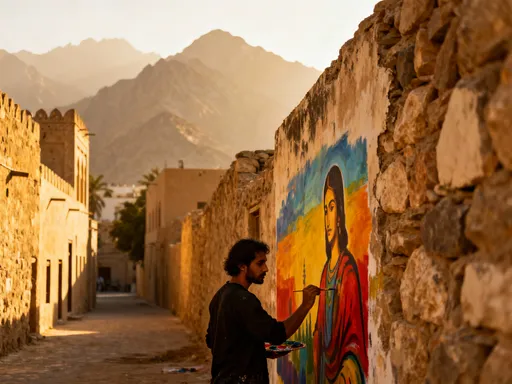
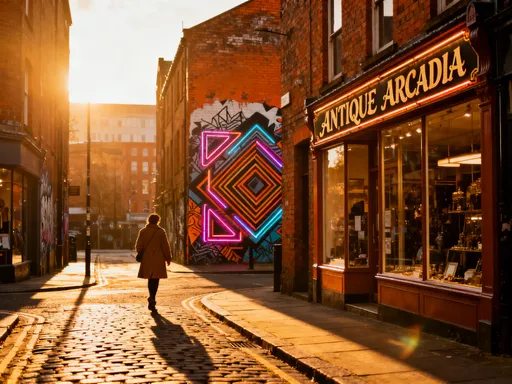
If Manchester were a photo album, the Northern Quarter would be its most dog-eared page. This district is a playground for the visually curious, where every alley, doorway, and window display seems designed for the camera. Known for its bohemian spirit and creative heartbeat, the Northern Quarter thrives on self-expression—both in fashion and in public art. Street art here isn’t an afterthought; it’s a language. Murals stretch across entire building facades, transforming blank walls into bold statements of color, satire, and social commentary. These ever-evolving works provide dynamic backdrops that change with the seasons, making repeat visits endlessly rewarding for photographers.
Wander down Stevenson Square or Oldham Street, and you’ll encounter a curated chaos of visual delights. Vintage clothing stores with retro signage—think hand-painted fonts and faded neon—invite slow, deliberate framing. Window mannequins are styled like characters in a film still, posed with vintage records or leather boots, creating instant storytelling opportunities. Even the café exteriors contribute to the aesthetic: pastel-colored awnings, mismatched chairs, and chalkboard menus scribbled with daily specials. These details, often overlooked, are gold for close-up photography that captures the texture of urban life.
For the best shots, timing is everything. Early morning on a weekday offers soft, diffused light and minimal foot traffic—ideal for capturing storefronts without clutter. As the sun climbs, golden hour just before sunset bathes the brickwork in a warm glow, enhancing the contrast between shadow and color. Position yourself at a slight angle to a mural to avoid distortion, and use a wide aperture to blur the background slightly, drawing focus to your subject. Smartphone users can take advantage of portrait mode to create depth, especially when photographing mannequins or boutique displays against a graffiti backdrop.
One of the most photogenic spots is the alleyway between Oldham Street and Hilton Street, unofficially known as ‘Graffiti Alley.’ This narrow passage is a rotating canvas, where local and international artists leave their mark. The layered paint, peeling edges, and bold compositions create a sense of movement and history in a single frame. Crouch low to include reflections in puddles after rain, or shoot upward to capture the full height of a mural against the sky. Nearby, independent shops like Afflecks—Manchester’s legendary multi-level emporium of alternative fashion—offer interior photography opportunities with their eclectic displays, mirrored walls, and neon-lit stairwells. Every corner feels like a set from an indie film, waiting to be discovered.
Glass, Light & Grandeur: The Trafford Centre’s Cinematic Scale
Just a short tram ride from the city center, The Trafford Centre offers a different kind of visual drama—one of scale, light, and architectural spectacle. As one of the largest indoor shopping destinations in the UK, it’s easy to dismiss it as purely commercial. But for photographers, it’s a stage set for cinematic composition. The centerpiece is the stunning glass-vaulted ceiling of the Great Hall, which floods the space with natural light during the day and transforms into a starlit canopy at night. This interplay of illumination creates endless possibilities for capturing reflections, silhouettes, and the play of shadows across marble floors.
The mall’s design borrows from European grandeur, with sweeping staircases, ornate columns, and a central fountain that serves as both a meeting point and a photographic focal point. From the upper galleries, you can frame wide-angle shots that emphasize the vastness of the space—shoppers as tiny figures beneath a cathedral-like roof. Use a polarizing filter to reduce glare on glass surfaces, or adjust your smartphone’s HDR setting to balance light and dark areas in high-contrast scenes. Reflections in shop windows or polished floors can double the visual impact, turning a simple storefront into a symmetrical masterpiece.
Seasonal events elevate the center’s photogenic appeal. During the winter holidays, the entire complex becomes a winter wonderland, with a towering Christmas tree, twinkling lights, and themed installations that draw families and photographers alike. The festive atmosphere adds warmth and narrative depth to images—children gazing at decorations, couples pausing for a photo beneath mistletoe, or steam rising from a hot chocolate stand. These candid moments, layered with color and emotion, turn routine shopping into a memory-rich visual story.
Even outside the holidays, The Trafford Centre offers quiet moments of beauty. Early on weekday mornings, when the mall is still waking up, you’ll find maintenance staff polishing floors or adjusting displays—scenes that reveal the human effort behind the glamour. These behind-the-scenes glimpses add authenticity to your portfolio. Additionally, the center’s luxury wing, with its sleek boutiques and minimalist design, provides a modern contrast to the ornate main hall. Here, clean lines, monochrome palettes, and strategic lighting create a high-fashion editorial vibe, perfect for those interested in architectural or lifestyle photography.
Hidden Gems in Plain Sight: Lesser-Known Arcades & Passages
While the Northern Quarter and The Trafford Centre command attention, Manchester’s true architectural jewels are often tucked away in quiet, covered arcades. These Victorian-era passages are relics of a bygone shopping era—elegant, intimate, and rich in photographic detail. The Royal Exchange Arcade, nestled beside the historic Royal Exchange Theatre, is one such treasure. Step inside, and the city noise fades. Sunlight filters through a glass roof, illuminating mosaic floors, gilded signage, and wrought-iron railings. The atmosphere is hushed, almost reverent, making it ideal for contemplative, detail-focused photography.
Barton Arcade, another hidden gem, connects Market Street to Deansgate and feels like stepping into a 19th-century postcard. Its narrow walkway is lined with small boutiques, florists, and cafes, each with handcrafted window displays. The curved glass ceiling diffuses light evenly, reducing harsh shadows and creating a soft, even glow—perfect for natural-light photography without flash. Look for details: the pattern of the tiled floor, the curve of a brass door handle, or the way dust motes dance in a sunbeam. These micro-moments, when captured with care, convey a sense of timelessness.
One of the most photogenic features of these arcades is their sense of enclosure. Unlike open streets, they offer framed views—arched entrances that naturally lead the eye toward a focal point, whether it’s a florist arranging bouquets or a shopper pausing to read a menu. Use a slightly longer focal length to compress the perspective, enhancing the depth of field. For smartphone users, zoom in carefully or use portrait mode to isolate subjects against the ornate background.
Because these arcades are often overlooked by tourists, they provide a rare chance to photograph without crowds. Visit mid-morning on a weekday for the best light and quietest conditions. Stand at one end and shoot down the length of the passage to capture its symmetry, or crouch low to emphasize the intricate floor patterns. The contrast between the arcade’s elegance and the modern city just steps away creates a powerful visual narrative—one of continuity and quiet resilience.
Markets That Move: Photo Stories from Manchester’s Street Markets
Manchester’s markets are where shopping comes alive with movement, sound, and color. Unlike static retail spaces, markets pulse with energy—the sizzle of street food, the rustle of fabric, the laughter of friends sharing a snack. Two standouts are the Manchester Arndale Market and Mackie Mayor. The former, located in the heart of the city, is a daily hub of local life. Butchers, greengrocers, and bakeries line narrow aisles, their stalls overflowing with fresh produce, artisan bread, and regional specialties. The colors are vivid: crimson tomatoes, golden pastries, emerald herbs—each a potential subject for a vibrant still-life shot.
Mackie Mayor, housed in a beautifully restored 19th-century meat market, offers a more curated but equally dynamic experience. This food-focused destination brings together independent vendors serving everything from wood-fired pizza to Middle Eastern mezze. Steam rises from open kitchens, patrons chat at communal tables, and chefs toss dough with practiced flair. These moments of action are perfect for candid street photography. Use burst mode to capture motion—hands shaping dumplings, smoke curling from a grill, or a spoon dipping into a bowl of soup. These images tell stories beyond the plate, revealing the human connections behind every meal.
To succeed in market photography, blend in. Avoid using flash, which can feel intrusive. Instead, rely on natural light from high windows or open doors. Position yourself near a light source and let the scene unfold. Focus on details: a vendor’s hands arranging strawberries, the texture of a handmade loaf, or the reflection of a neon sign in a stainless-steel counter. These close-ups add intimacy to your collection and highlight the craftsmanship behind everyday goods.
Don’t shy away from people, but approach with respect. A smile, a nod, or a quiet ‘thank you’ goes a long way. Many vendors are proud of their work and happy to be photographed, especially if you’re capturing the care in their craft. Over time, you’ll learn to anticipate moments—the pour of coffee, the sprinkle of herbs, the exchange of cash for goods. These micro-interactions, when framed with intention, become powerful visual narratives of community and tradition.
From Bag to Background: Styling Your Shots Around the City
Shopping in Manchester isn’t complete without a purchase—and that purchase can become a key element in your photography. A new scarf, a vintage book, or a locally made candle isn’t just a souvenir; it’s a prop that adds narrative depth to your images. The art of integrating shopping into photography lies in turning the transaction into a story. Instead of hiding your shopping bag, feature it. Drape it over a café chair, let it dangle from your wrist as you cross a bridge, or place it gently on a mosaic floor in a quiet arcade. These small gestures transform a simple photo into a personal journey.
Reflections are another powerful tool. Position yourself in front of a shop window and frame your shot so that your reflection—holding a bag or adjusting a new hat—appears alongside the displayed goods. This technique layers meaning: you’re both observer and participant, consumer and creator. Use clean, uncluttered windows for the best results, and avoid midday sun, which can create glare. Early morning or late afternoon light produces softer reflections and warmer tones.
Your personal style also plays a role. If you’ve picked up a bold coat or a patterned dress, wear it with confidence and let it interact with the surroundings. A red coat against a gray brick wall, or a floral dress beside a mural of blooming flowers, creates visual harmony. These intentional pairings show how fashion and environment influence each other, turning the city into a runway of self-expression. For family travelers, involving children in the styling—letting them carry a small bag or choose a hat—adds authenticity and joy to the images.
The key is mindfulness. Don’t rush from store to photo op. Pause. Observe. Let the city speak. A crumpled receipt tucked into a journal, a coffee cup beside a map, or a ticket stub from a tram ride—these fragments, when photographed with care, become artifacts of a lived experience. In Manchester, where every corner holds a visual surprise, the act of shopping becomes part of the art.
Capturing the Moment: Practical Tips for Shop & Snap Success
To make the most of your shopping and photography journey in Manchester, a few practical considerations can elevate your experience. Start with timing. Weekday mornings, especially between 9 a.m. and 11 a.m., offer the best balance of light and crowd control. Popular spots like the Northern Quarter and The Trafford Centre are quieter, allowing you to compose shots without obstruction. Avoid weekends during peak holiday seasons if you prefer intimate, crowd-free images.
Smartphone photography has never been more capable. Use the grid function to apply the rule of thirds, and tap to focus on your subject before capturing. For low-light areas like arcades or evening markets, switch to night mode if available, and keep your hands steady or use a small travel tripod. Apps like PhotoPills or Sun Surveyor can help predict golden hour and sun angles, ensuring you’re in the right place at the perfect light.
When photographing people, always be respectful. In markets or busy streets, avoid intrusive close-ups. If you want to feature someone prominently, a polite gesture or verbal permission is appreciated. Remember, Manchester is a welcoming city, and most people respond positively to genuine, non-disruptive interest. Never photograph inside private shops without permission, and be mindful of signage that prohibits photography.
Finally, approach your trip with curiosity, not just a checklist of Instagrammable spots. Let yourself wander. Follow a mural down an alley, peek into a courtyard, or stop for tea in a hidden café. The best photos often come from unplanned moments—the laugh between friends, the way light hits a cobblestone, the quiet pride of a shopkeeper arranging her wares. In Manchester, beauty isn’t staged; it’s discovered. By slowing down and seeing with intention, you don’t just capture the city—you connect with it.
Manchester’s shopping experience transcends transactions—it’s a living gallery of urban expression. Every purchase tells a story, and every photo captures a fragment of the city’s pulse. By blending exploration with intention, travelers don’t just collect items; they gather memories in frame after frame. In a world of generic malls, Manchester stands out—raw, real, and always ready for its close-up.