How I Upgraded My Sleep Quality with Simple Health Monitoring Hacks
Sleep isn’t just about hours—it’s about quality. I used to wake up tired, even after eight hours, until I started tracking my sleep patterns. With basic health monitoring tools, I discovered what was really happening at night. From heart rate trends to movement cycles, the data revealed surprising insights. This is how I transformed restless nights into deep, restorative sleep—no magic, just awareness and small, smart changes anyone can make.
The Hidden Problem Behind Tired Mornings
For years, I believed that if I spent eight hours in bed, I was doing everything right. Yet morning after morning, I dragged myself out of bed feeling as though I had barely slept at all. My eyes were heavy, my thoughts sluggish, and my energy nonexistent. It wasn’t until I began paying attention to more than just the clock that I realized the truth: sleep duration and sleep quality are not the same thing. You can log plenty of time in bed and still miss out on the kind of rest your body and mind truly need.
What I experienced is far more common than most people realize. Millions go through life assuming they are getting enough sleep simply because they are in bed for long stretches. But if you wake up unrefreshed, struggle to focus during the day, or rely on caffeine to stay alert, the quality of your sleep may be the real issue. High-quality sleep includes sufficient time in deep sleep and REM stages—phases that support physical recovery, memory consolidation, and emotional regulation. Without them, even a full night’s rest falls short.
The turning point for me came when I acknowledged that my sleep wasn’t serving me, regardless of how long I stayed under the covers. I wasn’t suffering from insomnia, nor was I staying up late scrolling through my phone every night. On paper, my habits looked reasonable. But something was off. That’s when I decided to stop guessing and start measuring. I wanted to see what was actually happening while I was asleep—beyond how long I was lying still.
Why Health Monitoring Changed Everything
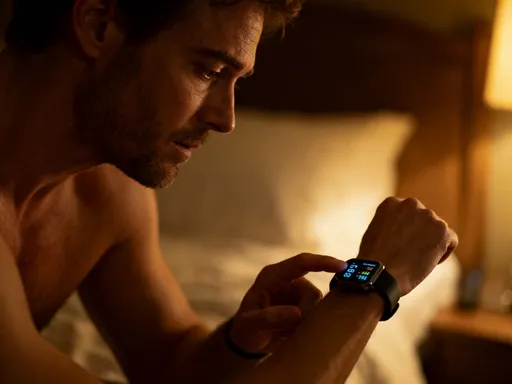
My journey toward better sleep began with a simple wearable device—a fitness tracker I had purchased more out of curiosity than necessity. At first, I glanced at the data casually: steps taken, calories burned, and a vague sleep score. But after a few weeks of consistent use, I started to notice patterns. On nights when I felt particularly refreshed, my device showed longer periods of deep sleep and stable heart rate variability. On mornings when I felt groggy, the data told a different story: frequent awakenings, elevated heart rate, and minimal time in restorative stages.
This was a revelation. For the first time, I had objective evidence of what my body was experiencing at night. No longer did I have to rely on how I felt in the moment, which could be influenced by mood, stress, or even the weather. The data didn’t lie. It showed that even if I didn’t remember waking up, my body was stirring multiple times throughout the night—disrupting the continuity of my sleep cycles. I also discovered that my heart rate didn’t always settle into its ideal nighttime rhythm, especially after late meals or stressful days.
What made the biggest difference was the shift from assumption to awareness. Before monitoring, I had no way of knowing whether my evening habits were helping or hurting my sleep. Now, I could correlate specific behaviors—like drinking tea after dinner or skipping my evening walk—with measurable outcomes. This wasn’t about perfection; it was about understanding cause and effect. Over time, these insights empowered me to make small, intentional changes that led to real, lasting improvements in how I slept and how I felt during the day.
What to Track (And What to Ignore)
With so much data available from sleep trackers and health apps, it’s easy to become overwhelmed. The key is knowing which metrics matter most for sleep quality and which ones can safely be set aside. Not every number on your screen requires attention, and some can even lead to unnecessary anxiety if misinterpreted. Focusing on the right indicators helps you build meaningful insight without getting lost in the noise.
One of the most valuable metrics is sleep staging—specifically, the amount of time spent in light sleep, deep sleep, and REM sleep. Deep sleep is essential for physical recovery and immune function, while REM supports cognitive processing and emotional health. Most adults should aim for about 1 to 2 hours of deep sleep and a similar amount of REM per night, though individual needs vary. Tracking these stages over time helps you see whether your sleep is truly restorative.
Resting heart rate and heart rate variability (HRV) are also powerful indicators. A lower resting heart rate and higher HRV generally reflect better cardiovascular fitness and recovery. During sleep, a steady decline in heart rate signals that your body is entering a state of relaxation. If your heart rate remains elevated or fluctuates wildly, it may indicate stress, poor recovery, or disrupted sleep. Blood oxygen levels, particularly when monitored overnight, can reveal breathing irregularities that might otherwise go unnoticed, such as brief drops associated with mild apnea or congestion.
On the other hand, it’s important not to obsess over every fluctuation. A single night of poor sleep data doesn’t mean you’re failing. Sleep is influenced by countless factors—what you ate, how stressed you were, even changes in weather. The goal is to look at trends over weeks, not isolated events. And while movement tracking can show restlessness, it shouldn’t be used to judge sleep quality on its own. Some people naturally move more during sleep without it affecting their rest. The real value lies in using data to guide habits, not to fuel anxiety.
My 3-Step Evening Routine That Actually Works
Once I began understanding my sleep patterns, I looked closely at my evening habits to identify what might be disrupting my rest. I experimented with several changes, but three practices consistently showed positive results in my sleep data. These aren’t drastic lifestyle overhauls—they’re simple, sustainable adjustments that fit into a busy daily routine. Best of all, each one is supported by both personal observation and broader sleep science.
The first step is reducing blue light exposure at least one hour before bedtime. I used to spend my evenings watching TV or checking emails on my phone, unaware that the blue light was suppressing my melatonin production—the hormone that signals it’s time to sleep. Now, I switch to warm lighting, use night mode on my devices, and often read a physical book instead. Within a few days of this change, my sleep tracker showed faster sleep onset and fewer awakenings during the first half of the night.
The second habit is managing evening hydration. While staying hydrated is important, drinking large amounts of fluid right before bed can lead to nighttime bathroom trips—brief but disruptive awakenings that fragment sleep. I now aim to finish drinking water by 7:30 p.m. and limit evening tea to non-diuretic herbal varieties like chamomile. This small shift reduced my nighttime movements significantly, as confirmed by my device’s restlessness tracking.
The third and perhaps most impactful change is establishing a consistent wind-down signal for my body. I created a short routine: turning off screens, doing five minutes of gentle stretching, and practicing slow, deep breathing. This sequence tells my nervous system it’s time to shift into rest mode. Over time, my body began to anticipate this ritual, making it easier to fall asleep without lying awake with racing thoughts. My sleep scores improved steadily, with noticeable increases in deep sleep duration.
Morning Data Check: How I Start My Day Smarter
One of the most helpful habits I’ve adopted is reviewing my sleep data each morning—before checking email or scrolling through news. It only takes a few minutes, but it sets the tone for the day. I look at my sleep score, recovery rating, and resting heart rate to understand how well my body recovered overnight. This isn’t about judgment; it’s about awareness. If my data shows poor recovery, I adjust my day accordingly—perhaps delaying a high-intensity workout or postponing a caffeine-heavy morning.
Resting heart rate is one of the most telling metrics in the morning. A higher-than-usual reading can indicate that my body is still under stress from the previous day or didn’t get enough quality sleep. On those mornings, I prioritize gentle movement, hydration, and balanced nutrition instead of pushing through with a demanding schedule. This helps prevent burnout and supports better sleep the following night. Conversely, when my resting heart rate is low and stable, I know I’m well-rested and can confidently take on more challenging tasks.
The recovery score provided by my device also influences my decisions. If it’s low, I might opt for a walk instead of a run, or choose a calming activity like journaling instead of diving into work immediately. I’ve learned that honoring my body’s signals leads to more consistent energy throughout the day. This daily feedback loop—sleep data informing daytime choices, which in turn affect the next night’s sleep—has become a cornerstone of my overall wellness routine.
When to Trust the Data—and When to Step Back
While health monitoring has been incredibly helpful, I’ve also learned that data should serve you, not control you. There was a period when I became overly focused on achieving a perfect sleep score every night. If my deep sleep dipped below average or my heart rate variability dropped, I’d feel anxious, which ironically made it harder to relax and fall asleep. I realized I was letting the tool dictate my mood instead of using it as a guide.
This is a common pitfall. Sleep tracking is meant to enhance self-awareness, not create performance pressure. Your body doesn’t operate like a machine with fixed outputs every day. Natural variations are normal. Illness, travel, emotional stress, or even a full moon can affect your sleep—and that’s okay. The goal isn’t to chase ideal numbers but to understand your patterns and respond with compassion.
I now take a balanced approach. I review my data regularly but don’t obsess over it. If I notice a consistent downward trend over several nights, I look for possible causes and make adjustments. But if it’s just one off night, I let it go. I also take breaks from tracking altogether every few months—just to reconnect with how I feel without digital feedback. This helps me stay grounded and reminds me that wellness is holistic, not just a collection of metrics.
Beyond the Gadget: Long-Term Habits for Sustainable Sleep
Technology gave me the insight I needed to improve my sleep, but lasting change came from turning those insights into consistent habits. Over time, I moved from relying on my device to trusting my body’s natural rhythms. The real transformation happened when sleep optimization became less about data and more about lifestyle alignment.
One of the most effective long-term changes was optimizing my sleep environment. I adjusted my bedroom temperature to a cool 67°F (about 19°C), which research shows supports deeper sleep. I invested in blackout curtains to eliminate light disruptions and used a white noise machine to mask street sounds. These small environmental tweaks made a noticeable difference in how consistently I slept, especially during seasonal changes or noisy weekends.
I also began paying attention to my daily rhythm. I noticed that mornings with natural sunlight exposure helped regulate my circadian clock, making it easier to fall asleep at night. I started taking short walks outside each morning, even on cloudy days. Similarly, I aligned my meals and exercise with my energy patterns—avoiding intense workouts close to bedtime and eating dinner at a consistent time. These habits reinforced my body’s internal clock, leading to more predictable sleep onset and fewer middle-of-the-night awakenings.
Perhaps most importantly, I cultivated patience. Better sleep didn’t happen overnight. It took weeks of small adjustments, setbacks, and refinements. But by staying curious and committed, I built a routine that supports rest without requiring constant monitoring. The device was the starting point, but the real progress came from listening to my body and making sleep a true priority.
Better sleep isn’t about perfection—it’s about progress. By combining health monitoring with mindful habits, real improvements became possible. The goal isn’t flawless data, but feeling refreshed, focused, and in tune with your body. Start small, stay curious, and let your sleep tell you its story.