How I Found Myself Again After Baby: A Real Postpartum Body Care Journey
After giving birth, I felt like my body wasn’t mine anymore. Swelling, soreness, and exhaustion were constant companions. I didn’t know where to start—until small, intentional steps made real changes. This is not a miracle cure, but a truthful guide from one mom to another, sharing what actually helped me reclaim strength, comfort, and confidence in my postpartum body. Recovery wasn’t about shrinking back into old jeans or chasing an image from before motherhood. It was about learning to listen, to nurture, and to rebuild with patience. What follows is a practical, science-informed path through the physical and emotional landscape of postpartum healing—one that honors both the challenges and the quiet triumphs of becoming a mother.
Understanding the Postpartum Body: What No One Tells You
When a woman gives birth, her body undergoes one of the most profound transformations possible. Yet, after the baby arrives, the focus often shifts entirely to the newborn, leaving the mother’s recovery as an afterthought. The truth is, the postpartum period is not a quick return to normalcy but a distinct phase of healing that can last months—or even years. Hormonal shifts occur rapidly after delivery. Estrogen and progesterone, which soared during pregnancy, drop sharply within days. This sudden change can affect mood, energy levels, and physical recovery. At the same time, oxytocin—the “bonding hormone”—rises, supporting breastfeeding and emotional connection, but it also contributes to uterine contractions that help the body shrink back toward its pre-pregnancy size.
One of the most common yet under-discussed changes is diastasis recti, the separation of the abdominal muscles along the midline. This occurs in up to two-thirds of pregnant individuals, particularly after multiple pregnancies or with larger babies. It’s not simply a cosmetic concern; it can affect core stability, posture, and even digestive function. Similarly, pelvic floor weakness is nearly universal after childbirth. The pelvic floor muscles, which support the bladder, uterus, and bowels, stretch and weaken during labor. This can lead to urinary incontinence, pelvic discomfort, or a sensation of heaviness—issues many women feel too embarrassed to discuss but are medically common and treatable.
Skin also undergoes significant changes. Stretch marks appear as the skin stretches to accommodate a growing uterus, and while they often fade over time, they remain a visible reminder of transformation. Skin elasticity may be reduced, and the abdomen may feel looser than before. These changes are not flaws—they are signs of what the body has accomplished. Yet societal pressure to “bounce back” quickly can make new mothers feel inadequate. The reality is that recovery is not about erasing evidence of pregnancy but about supporting the body as it adapts to its new role. Healing takes time, and each woman’s timeline is unique. Listening to your body, honoring its signals, and rejecting unrealistic expectations are the first steps toward true postpartum wellness.
Healing from the Inside Out: Nutrition That Supports Recovery
Nutrition plays a foundational role in postpartum healing, yet it is often overlooked in the chaos of caring for a newborn. The body needs high-quality fuel to repair tissues, replenish blood loss, and maintain energy. Protein is especially critical during this time. It supports the rebuilding of muscle and connective tissue, including the abdominal wall and perineal area if there was tearing or an episiotomy. Good sources include lean meats, eggs, legumes, dairy, and plant-based proteins like tofu and lentils. Iron is equally important, particularly for those who experienced significant blood loss during delivery. Low iron levels can contribute to fatigue, dizziness, and difficulty concentrating—symptoms that can worsen the emotional strain of early motherhood.
Healthy fats should not be avoided. Omega-3 fatty acids, found in fatty fish, flaxseeds, and walnuts, support brain health and may help regulate mood. These fats also contribute to skin elasticity and milk production for breastfeeding mothers. Carbohydrates should come from whole grains, fruits, and vegetables, which provide sustained energy and essential vitamins. Refined sugars and processed foods may offer quick energy but often lead to crashes that leave a mother feeling more drained. The goal is not perfection but consistency—eating balanced meals regularly, even if they are simple.
Hydration is another pillar of recovery. Breastfeeding mothers need an additional 500–700 calories per day, much of which goes toward milk production. Staying well-hydrated supports this process and helps prevent constipation, a common issue after childbirth due to hormonal changes, reduced mobility, and pain medications. Drinking water throughout the day—keeping a large bottle nearby—can make a noticeable difference in energy and digestion. Fiber, from fruits, vegetables, whole grains, and legumes, further supports gut health. Prunes, pears, and oats are gentle, effective options that can be easily incorporated into meals.
Realistic eating strategies are key. New mothers rarely have the time or energy to cook elaborate meals. Meal prepping ahead of time, accepting meals from friends and family, or using simple recipes like scrambled eggs with spinach, oatmeal with fruit, or yogurt with nuts can make nutrition manageable. The pressure to eat perfectly should be replaced with compassion. If some days consist mostly of toast and tea, that’s okay. What matters is the overall pattern of nourishment over time. The body is resilient, and with consistent, balanced fuel, it can heal and thrive.
Gentle Movement: Reconnecting with Your Body Safely
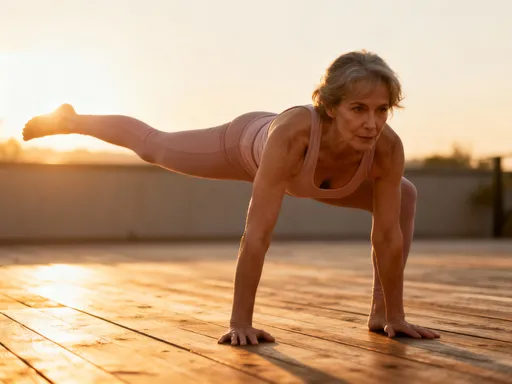
After childbirth, the idea of exercise may feel overwhelming—or even intimidating. Many women associate fitness with intensity, sweat, and visible results. But in the postpartum period, movement is not about burning calories or shrinking the body. It’s about reawakening connection, improving circulation, and supporting healing. The first form of movement most new mothers can safely begin is walking. Even a short stroll around the house or down the block can boost mood, aid digestion, and prevent blood clots, which are more common in the early postpartum weeks due to reduced mobility.
Timing matters. For those who had a vaginal delivery without complications, light walking can often begin within a few days. After a cesarean section, movement should still begin early—usually within 24 hours—to support recovery, but it must be gentle and gradual. Sitting up, standing, and taking a few steps are important first goals. Deep breathing is another essential practice. It helps engage the diaphragm, which connects to the core and pelvic floor, and encourages oxygen flow to healing tissues. Simple breathwork—inhaling slowly through the nose, allowing the belly to rise, and exhaling fully—can be done while nursing or lying in bed.
Pelvic tilts are a safe and effective early exercise. Lying on the back with knees bent, a woman gently flattens the lower back against the floor by engaging the abdominal muscles. This movement helps retrain the core without strain and can relieve low back discomfort. However, it’s crucial to watch for warning signs. Pain, increased bleeding (lochia), dizziness, or pelvic pressure are signals to stop and rest. Overexertion can delay healing and lead to complications such as pelvic organ prolapse or worsened diastasis recti.
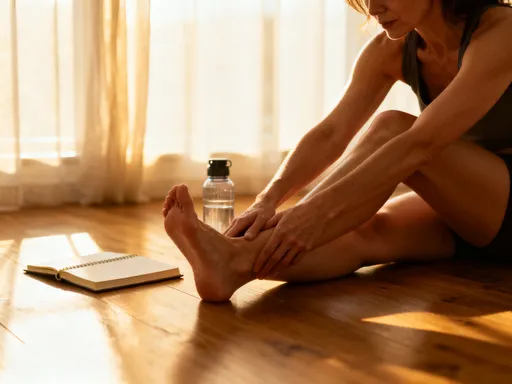
As weeks pass, movement can gradually progress. Stretching, gentle yoga, and postnatal Pilates can help restore flexibility and strength. The focus should remain on quality of movement, not quantity. Short sessions of 10–15 minutes are more sustainable than longer workouts that leave a mother exhausted. The goal is not to rush into pre-pregnancy routines but to rebuild awareness and function. Every small movement counts—not because it changes the body’s shape, but because it reaffirms the mother’s presence in her own skin.
Pelvic Floor and Core Care: More Than Just Kegels
The pelvic floor and core are often misunderstood, especially in the postpartum context. Kegels—tightening the muscles that stop urine flow—are widely recommended, but they are not a one-size-fits-all solution. For some women, the pelvic floor is weak and needs strengthening. For others, it may be too tight or tense, requiring relaxation and release rather than more contraction. Doing Kegels incorrectly or excessively can actually worsen symptoms like pain, urgency, or incomplete emptying. The key is awareness and proper technique.
Learning to engage the pelvic floor correctly involves more than squeezing. It includes a full cycle: gently lifting the muscles upward and inward on the inhale, then fully releasing on the exhale. Coordination with breathing and the deep core muscles—particularly the transverse abdominis—is essential. This muscle, which wraps around the abdomen like a corset, provides stability and support. After pregnancy, it often becomes stretched and underactive. Reconnecting with it requires mindful practice, not forceful crunches or sit-ups, which can increase intra-abdominal pressure and worsen diastasis recti.
Professional guidance can be invaluable. A women’s health physiotherapist specializes in postpartum recovery and can assess pelvic floor function through internal or external evaluation. They can teach proper muscle activation, design personalized exercises, and address issues like incontinence or pelvic pain. Seeing a specialist is not a sign of failure—it’s an act of care. Many women benefit from this support, even if they had an uncomplicated delivery.
Home practices can also help. Diaphragmatic breathing, as mentioned earlier, coordinates the pelvic floor and deep core. Gentle bridges, where the hips are lifted while lying on the back, engage the glutes and hamstrings without overloading the abdomen. Wall sits and seated marches can build strength gradually. The emphasis is always on control, alignment, and sensation—not speed or reps. Over time, these practices restore function, improve posture, and increase confidence in daily activities like lifting the baby or bending over the crib.
Skin and Scarring: Caring for Your Body’s New Landscape
The surface of the body tells a story of transformation. Stretch marks, often appearing on the abdomen, hips, and breasts, are the result of rapid skin stretching. They begin as red or purple lines and gradually fade to silver or white. While they may not disappear completely, their appearance can be softened with consistent care. Moisturizing daily with fragrance-free lotions or oils—such as cocoa butter, shea butter, or vitamin E oil—helps maintain skin hydration and elasticity. Massaging the area gently increases blood flow and may improve texture over time.
For those who had a cesarean section, scar care is an important part of recovery. The incision typically heals within 6 weeks, but the deeper tissues take longer. Once the wound is fully closed and there’s no redness or discharge, gentle scar massage can begin. Using clean fingers and a neutral oil or silicone-based gel, a woman can move the scar tissue in small circles, helping to prevent adhesions and improve mobility. This practice should be pain-free; discomfort means going too deeply or too soon. Over time, the scar usually becomes flatter, softer, and less noticeable.
Skin sensitivity is common postpartum. Hormonal changes can make the skin drier or more reactive. Using mild, hypoallergenic products helps avoid irritation. Sun protection is also important, as new scars and stretch marks can darken when exposed to UV rays. Wearing sunscreen or covering the area when outdoors supports even healing.
Emotionally, the appearance of scars and stretch marks can be difficult. They may feel like reminders of loss of control or changes in identity. But with time, many women come to see them as symbols of strength and resilience. Caring for the skin is not about erasing these marks but about honoring the body that carried and delivered a child. Touching the abdomen, massaging the scar, or simply looking in the mirror with kindness can be powerful acts of reconnection.
Rest, Rhythm, and Realistic Self-Care
In a culture that values productivity, rest can feel like a luxury—or even a failure. But for the postpartum body, rest is not optional; it is essential medicine. Sleep deprivation is nearly universal among new mothers, and its effects are profound. Lack of sleep impairs immune function, slows tissue repair, and increases inflammation. It also affects mood, decision-making, and patience. Prioritizing rest is not selfish—it is foundational to recovery.
Perfect, uninterrupted sleep may be out of reach, but micro-moments of rest can make a difference. Lying down while the baby naps, even for 20 minutes, allows the body to recover. Sitting in a supportive chair with feet elevated reduces swelling and supports circulation. Simply closing the eyes and breathing deeply can reset the nervous system. These small pauses accumulate, helping to restore balance over time.
Building a rhythm into the day can also reduce overwhelm. Instead of trying to do everything at once, focusing on one task at a time—feeding the baby, then resting, then eating—creates a sense of flow. Accepting help is part of this rhythm. Letting a partner, family member, or friend handle meals, laundry, or errands frees up energy for healing. Guilt often arises when asking for support, but it’s important to remember that no one is meant to do this alone. Recovery is not a solo journey.
Setting boundaries is another form of self-care. Saying no to visitors, delaying social events, or limiting screen time protects energy. Creating a calm environment—dim lights, soft music, minimal clutter—supports emotional and physical rest. These choices are not indulgences; they are necessary steps in rebuilding strength from the ground up.
Emotional Wellbeing and Body Acceptance
Physical recovery and emotional health are deeply intertwined. The postpartum period brings not only bodily changes but also shifts in identity, purpose, and self-perception. Many women struggle with feelings of loss—of their former bodies, their independence, or their sense of control. Mood fluctuations are common due to hormonal shifts, sleep deprivation, and the emotional weight of new responsibility. While some level of “baby blues” is normal in the first two weeks, persistent sadness, anxiety, or detachment should be discussed with a healthcare provider.
Body image challenges are also widespread. Social media often portrays idealized versions of postpartum recovery, showing women running marathons or fitting into pre-pregnancy clothes within weeks. These images are not only unrealistic but can be harmful. Comparing oneself to these standards only deepens feelings of inadequacy. Healing is not linear, and every body responds differently. Instead of focusing on appearance, it can be more empowering to focus on function—what the body can do, not how it looks. Can it hold the baby? Can it walk to the park? Can it rest and recover? These are achievements worth celebrating.
Practicing self-compassion is key. Speaking to oneself with kindness, acknowledging effort, and letting go of perfectionism create space for acceptance. Journaling, talking with other mothers, or working with a counselor can help process emotions. Over time, many women develop a deeper appreciation for their bodies—not despite the changes, but because of them. The softness of the belly, the stretch marks, the surgical scar—they are not flaws but testaments to creation.
Creating a sustainable routine means integrating small, consistent acts of care into daily life. It means choosing nourishing foods, moving gently, resting when needed, and seeking support without shame. It means redefining strength not as endurance or appearance but as resilience, patience, and love. This is not about returning to who you were before—it’s about becoming who you are now: a mother, whole and healing.
Postpartum recovery isn’t a race or a return to who you were—it’s a transformation into who you’re becoming. With time, care, and informed choices, your body can heal in ways that feel authentic and empowering. Always consult a healthcare provider to personalize your journey, because every mother’s path is unique.