How I Made Aerobic Exercise a Habit—And Why It’s My Best Prevention Move
We all know exercise is good for us, but few realize how powerfully aerobic activity shields the body from chronic illness. I used to skip workouts, until I learned that consistent cardio isn’t just about fitness—it’s a long-term defense against heart disease, diabetes, and more. This is how I built a sustainable routine, what changed, and why science backs it up. What began as a hesitant walk around the block turned into a daily rhythm that reshaped my energy, clarity, and sense of control over my health. It wasn’t about chasing a number on the scale, but about giving my body the tools to stay strong for years to come. This is not a story of dramatic transformation, but of quiet, consistent choices that add up.
The Wake-Up Call: Why I Started Taking Cardio Seriously
For years, I treated exercise as something reserved for weight loss or special occasions—like trying to fit into a dress for a family reunion. I would start a routine with enthusiasm, only to abandon it within weeks. My motivation was always tied to appearance, and once the initial excitement faded, so did my commitment. But everything changed after a routine doctor’s visit revealed early signs of elevated blood pressure and borderline insulin resistance. There were no alarming symptoms, just subtle markers that suggested my body was quietly heading down a risky path. My doctor didn’t panic me, but she did emphasize one clear message: the best way to reverse these trends wasn’t medication—it was movement, specifically aerobic exercise.
That conversation stayed with me. I had always assumed cardio was for athletes or people trying to lose weight quickly. I didn’t see myself in that picture. But reframing aerobic activity as a form of disease prevention shifted my mindset completely. It wasn’t about punishment or aesthetics; it was about protection. I began to see my body not as something to fix, but as something to care for. The fatigue I used to dismiss as ‘just part of aging’ suddenly made sense. I wasn’t just tired—I was underactive. My heart wasn’t getting the support it needed, my circulation was sluggish, and my metabolism was slowing down. The wake-up call wasn’t dramatic, but it was urgent in its quiet way. I realized that waiting for a crisis wasn’t an option. If I wanted to stay healthy in the decades ahead, I needed to start now, gently and consistently.
Aerobic Exercise Decoded: What It Really Is (And What It Isn’t)
Before I could build a habit, I needed to understand what aerobic exercise actually meant. I used to think it meant running on a treadmill until I was drenched in sweat or joining high-intensity classes that left me sore for days. But true aerobic activity is simpler and more accessible than that. At its core, aerobic exercise refers to rhythmic, continuous movement that raises your heart rate and keeps it elevated for a sustained period—typically 20 minutes or more. The word “aerobic” literally means “with oxygen,” and that’s the key: this type of exercise trains your body to use oxygen more efficiently, strengthening the heart, lungs, and circulatory system over time.
Common examples include brisk walking, cycling at a steady pace, swimming laps, dancing, or using an elliptical machine. These activities are moderate in intensity—you should be able to talk, but not sing, during the effort. This is different from anaerobic exercise, like weightlifting or sprinting, which relies on short bursts of energy without sustained oxygen use. While strength training is important for muscle and bone health, it doesn’t provide the same cardiovascular benefits as aerobic work. The distinction matters because many people believe they’re getting heart-healthy exercise when they’re actually focusing only on resistance training. Aerobic exercise specifically conditions the heart muscle, improves blood flow, and enhances the body’s ability to deliver oxygen to tissues—functions that are critical for long-term vitality.
Another misconception I had to unlearn was that aerobic exercise had to be done in a gym or require special equipment. In reality, some of the most effective cardio happens in everyday settings: walking the dog, gardening, taking the stairs, or even cleaning the house with energy. The key is consistency and sustained effort, not location or complexity. Once I understood that, the barrier to entry felt much lower. I didn’t need perfect conditions or expensive gear. I just needed to keep moving, regularly and rhythmically.
The Science Behind the Shield: How Cardio Fights Disease
The real turning point in my journey was learning how deeply aerobic exercise impacts the body’s internal systems. It’s not just about burning calories or improving stamina—it’s about creating physiological changes that reduce the risk of some of the most common chronic diseases. Research from major health organizations, including the Centers for Disease Control and Prevention (CDC) and the World Health Organization (WHO), consistently shows that regular aerobic activity plays a critical role in preventing heart disease, type 2 diabetes, stroke, and even certain types of cancer. These aren’t exaggerated claims; they’re based on decades of population studies and clinical observations.
One of the most powerful effects of aerobic exercise is its ability to improve insulin sensitivity. When you engage in sustained movement, your muscles use glucose more efficiently, which helps regulate blood sugar levels. Over time, this reduces the strain on the pancreas and lowers the risk of developing insulin resistance—a precursor to diabetes. For someone with early warning signs, like I had, this is a game-changer. It means the body can regain balance without immediate reliance on medication, simply through movement.
Cardio also helps lower blood pressure by improving the elasticity of blood vessels and reducing arterial stiffness. When the heart doesn’t have to work as hard to pump blood, the risk of heart attack and stroke decreases significantly. Additionally, aerobic exercise has been shown to reduce systemic inflammation, a silent contributor to many chronic conditions. While inflammation is a natural immune response, chronic low-grade inflammation is linked to heart disease, arthritis, and metabolic disorders. Regular cardio helps modulate this response, acting like a natural anti-inflammatory agent.
Another benefit is improved cholesterol profiles. Aerobic activity tends to raise HDL (the “good” cholesterol) while lowering triglycerides and LDL particle density. This shift in lipid balance supports clearer arteries and better circulation. These changes don’t happen overnight, but with consistency, they accumulate. The body adapts gradually, building resilience from within. It’s not about achieving peak performance; it’s about creating a foundation of internal health that can withstand the challenges of aging and lifestyle stress.
Building the Habit: My Step-by-Step System
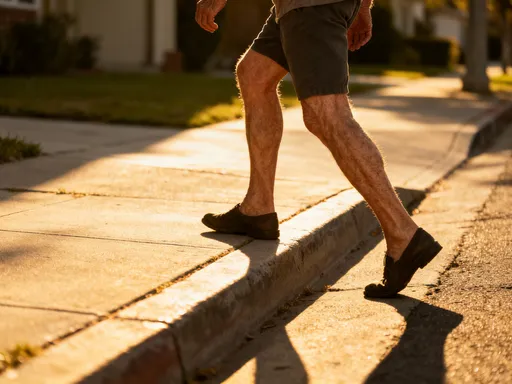
Knowing the benefits wasn’t enough—I had to figure out how to make aerobic exercise a regular part of my life. The biggest mistake I made at first was trying to do too much too soon. I thought if I wasn’t sweating and out of breath, it didn’t count. That mindset led to burnout and soreness, which made me want to quit. What finally worked was starting small and focusing on consistency rather than intensity. I began with just 10 minutes of brisk walking each day, usually after lunch. It didn’t feel like much, but it was manageable. I didn’t need special clothes or a gym membership—just my shoes and a safe route.
After two weeks, I increased to 20 minutes. Then 30. The key was not to rush. I treated each walk as a success, regardless of pace or distance. I also started keeping a simple journal, marking each day I completed my session with a checkmark. Seeing that chain of checks grow created a quiet sense of pride and accountability. I wasn’t chasing a grand goal; I was building a pattern. On days when I felt tired or unmotivated, I reminded myself that even a short walk counted. The goal was not perfection, but presence.
Variety also played a crucial role in sustaining my routine. After a few months, walking every day started to feel monotonous. To keep things fresh, I introduced other forms of aerobic activity. I found beginner dance workout videos online that I could do in my living room. I dusted off my old bicycle and started taking weekend rides through local parks. I even tried water aerobics at the community center, which was gentle on my joints and surprisingly fun. Mixing different activities kept my body challenged and my mind engaged. It also reduced the risk of overuse injuries that can come from repetitive motion. By rotating between walking, cycling, swimming, and dance, I gave different muscle groups a chance to work while still maintaining cardiovascular benefits.
Overcoming the Obstacles: What Tripped Me Up (And How I Fixed It)
No habit forms without hurdles, and my journey was no exception. The most common obstacle was time. Like many women in my stage of life, I juggled family responsibilities, work, and household duties. Finding a 30-minute window felt impossible some days. My solution was to treat exercise like any other important appointment. I scheduled it into my calendar, just as I would a doctor’s visit or a school meeting. I also used habit stacking—a technique where you link a new behavior to an existing one. For example, I committed to walking right after dinner, every night. Because dinner was already a fixed part of my routine, it became a natural trigger for movement.
Motivation dips were another challenge. There were weeks when I felt no immediate reward, and the effort seemed pointless. During those times, I relied on small reinforcements. I created a playlist of upbeat songs that I only listened to during walks. That way, the music became associated with movement, and I started looking forward to it. I also reminded myself of my ‘why’—not to look a certain way, but to protect my long-term health. Shifting from an external goal to an internal one made the effort feel more meaningful.
Boredom was another silent killer of consistency. Walking the same route every day, even with music, eventually lost its appeal. To combat this, I changed my path regularly—exploring new neighborhoods, parks, or trails. I invited a friend to join me occasionally, which turned exercise into social time. I also experimented with audiobooks and podcasts, which made longer sessions fly by. The mental shift that made the biggest difference was changing my language. I stopped saying, ‘I have to exercise,’ and started saying, ‘I get to move my body today.’ That small change in phrasing transformed the experience from a chore to a privilege.
Beyond the Body: Mental Clarity and Daily Energy Gains
One of the most unexpected benefits of regular aerobic exercise was its impact on my mental state. I didn’t start cardio to improve my mood or focus, but those changes emerged naturally. Within a few weeks, I noticed I was sleeping more deeply and waking up feeling more refreshed. My afternoon energy crashes became less frequent. I could concentrate better during the day, whether I was working, reading, or helping my children with homework. It wasn’t a dramatic shift, but a steady improvement in my daily functioning.
Science explains this through the connection between oxygen flow and brain health. Aerobic exercise increases blood circulation, which delivers more oxygen and nutrients to the brain. It also stimulates the release of neurochemicals like endorphins, serotonin, and brain-derived neurotrophic factor (BDNF), which support mood regulation and cognitive function. While cardio is not a substitute for professional mental health treatment, it can serve as a valuable complement. For me, it became a natural way to manage daily stress. The rhythm of walking, the sound of my breath, the movement through space—these created a meditative effect that helped quiet my mind.
I also noticed a subtle but important shift in my emotional resilience. Life’s small frustrations—traffic, miscommunications, household messes—didn’t weigh on me as heavily. I felt more grounded, more capable of handling challenges without spiraling into anxiety. This wasn’t because my circumstances changed, but because my internal capacity to cope had grown. Exercise gave me a sense of agency, a reminder that I could take action to improve how I felt, even when I couldn’t control everything around me. It became less about the physical act and more about the mental reset it provided.
Making It Last: How to Turn Cardio Into a Lifelong Practice
Sustainability is the true measure of success. Anyone can start an exercise routine; the challenge is keeping it going for years, not weeks. What has helped me maintain my habit is flexibility and self-compassion. Life changes—seasons shift, schedules evolve, injuries occur. There was a winter when icy sidewalks made walking risky, so I switched to indoor workouts. When I had a minor knee strain, I focused on swimming and cycling, which were gentler on my joints. The key was not to see these adjustments as failures, but as adaptations. A habit that can’t bend will eventually break.
I’ve also learned to let go of all-or-nothing thinking. If I miss a day, I don’t berate myself or give up. I simply return to the routine the next day. Progress isn’t linear, and that’s okay. What matters is the overall direction. I no longer view aerobic exercise as a punishment for eating too much or a requirement to stay thin. Instead, I see it as a form of self-care, a daily promise to protect my future self. It’s an investment in the years ahead—years I want to spend active, independent, and full of energy.
Over time, this practice has become so woven into my life that I miss it when it’s absent. It’s not about discipline anymore; it’s about identity. I am someone who moves. That doesn’t mean I’m always energetic or perfectly consistent, but it means I prioritize my health in a way that feels natural and sustainable. I encourage others to approach cardio not as a temporary fix, but as a lifelong companion. It doesn’t have to be flashy or extreme. It just has to be regular, rhythmic, and rooted in care.
Aerobic exercise isn’t a quick fix—it’s a quiet, daily investment in long-term wellness. By treating it as a personal prevention strategy, not just a fitness trend, anyone can build resilience from the inside out. The goal isn’t perfection, but persistence. Every step, every pedal stroke, every lap in the pool is a vote for a healthier future. It’s not about how fast or far you go, but about showing up, again and again, for the body that carries you through life. In the end, the greatest benefit isn’t a lower number on a blood pressure cuff or a tighter waistline—it’s the quiet confidence that comes from knowing you’re doing what you can to stay well, for as long as you can.